
Why Japan

Why Japan publishes informational content about Japanese language and culture. Articles may be drafted with AI assistance, and most have not received individual human review before publication. Some articles on this site were published automatically without individual human review, and the usage tips in articles have not been checked by a native speaker. We correct errors when we find them or when readers report them.

A girl scratches her head in confusion over furniture assembly instructions, mago-mago (まごまご)

How Japanese People Use Mago-Mago Naturally

2026/10/12  

Learn まごまご (mago-mago) through practical Japanese examples and native nuance.

A frosty mug of beer dripping with condensation on a sunlit wooden table, chilled kinkin (きんきん) ice-cold

What Does Kinkin Mean in Japanese? Shrill Sounds and Ice-Cold Drinks

2026/10/12  

きんきん (kinkin) describes shrill, high-pitched sounds and drinks chilled ice-cold. Learn both uses and how it differs from キーン and ぎんぎん.
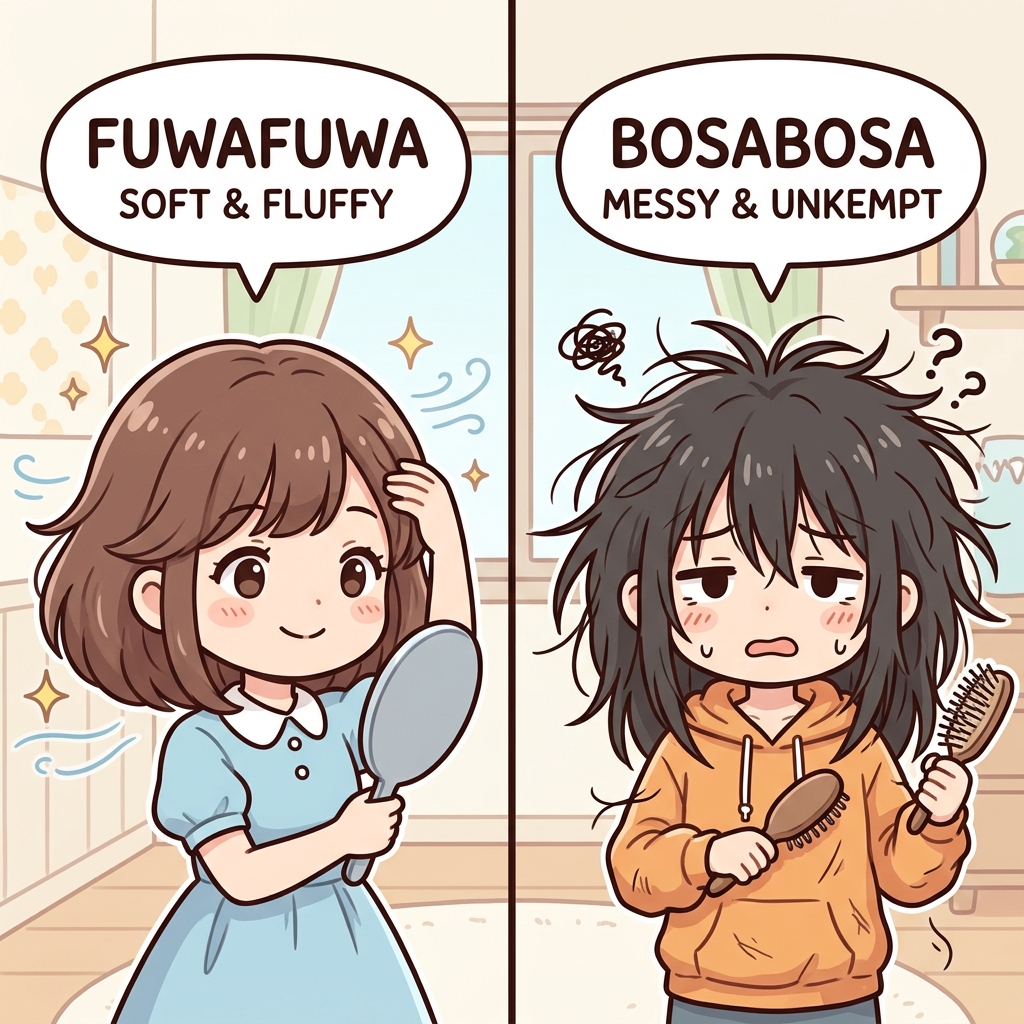
Comparison: a girl with soft, fluffy hair for fuwafuwa and a girl with messy, dry hair for bosabosa (ぼさぼさ)

Bosabosa vs Fuwafuwa: Native-Sounding Differences

2026/10/12  

Avoid mixing up ぼさぼさ (bosabosa) and fuwafuwa with simple examples.

Comparison: a girl cheerfully tidying her room for hakihaki (はきはき) and a boy working fast at his desk for tekipaki

Hakihaki vs Tekipaki: Japanese Onomatopoeia Explained

2026/10/12  

A learner-friendly guide to はきはき (hakihaki) vs tekipaki with natural usage tips.
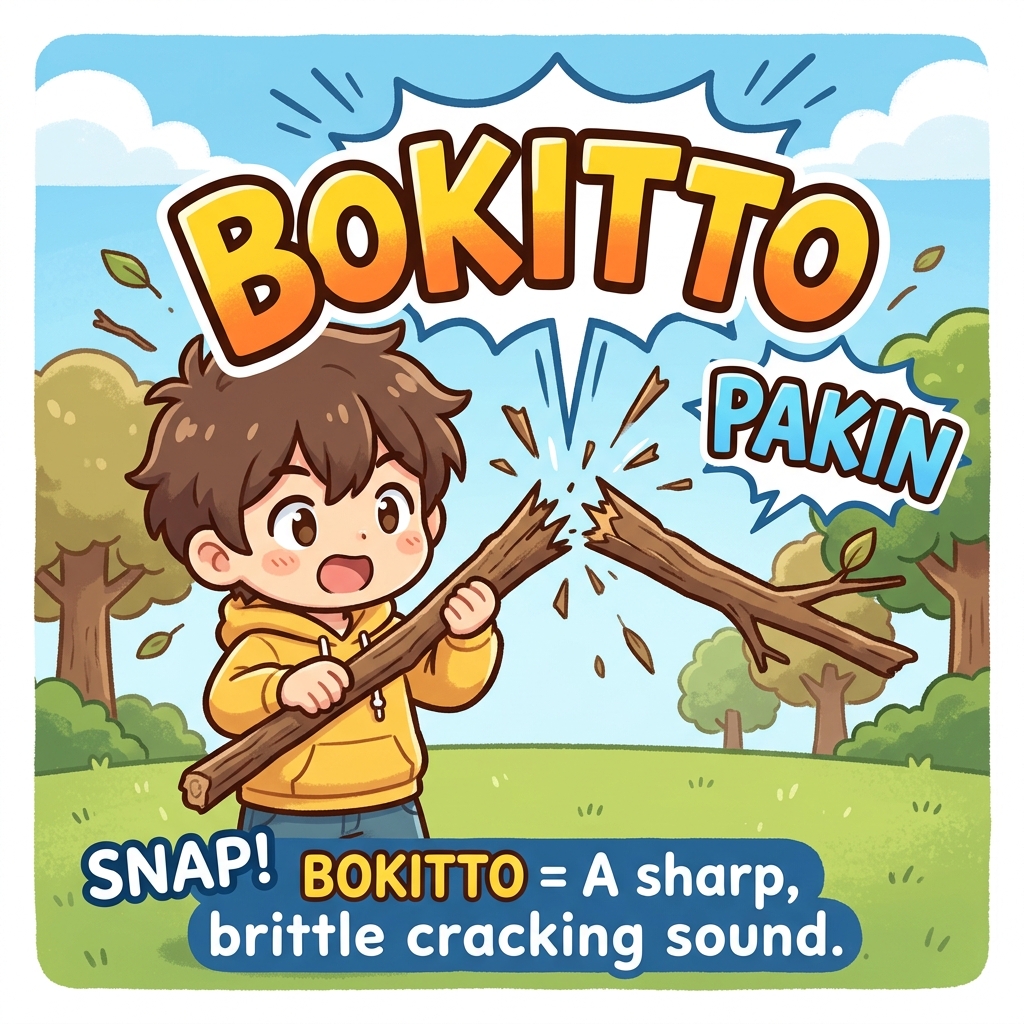
A boy snaps a thick branch in two with splinters flying, a bokitto (ぼきっと) break

The Real Difference Between Bokitto and Pakin

2026/10/12  

A learner-friendly guide to ぼきっ (bokitto) vs pakin with natural usage tips.
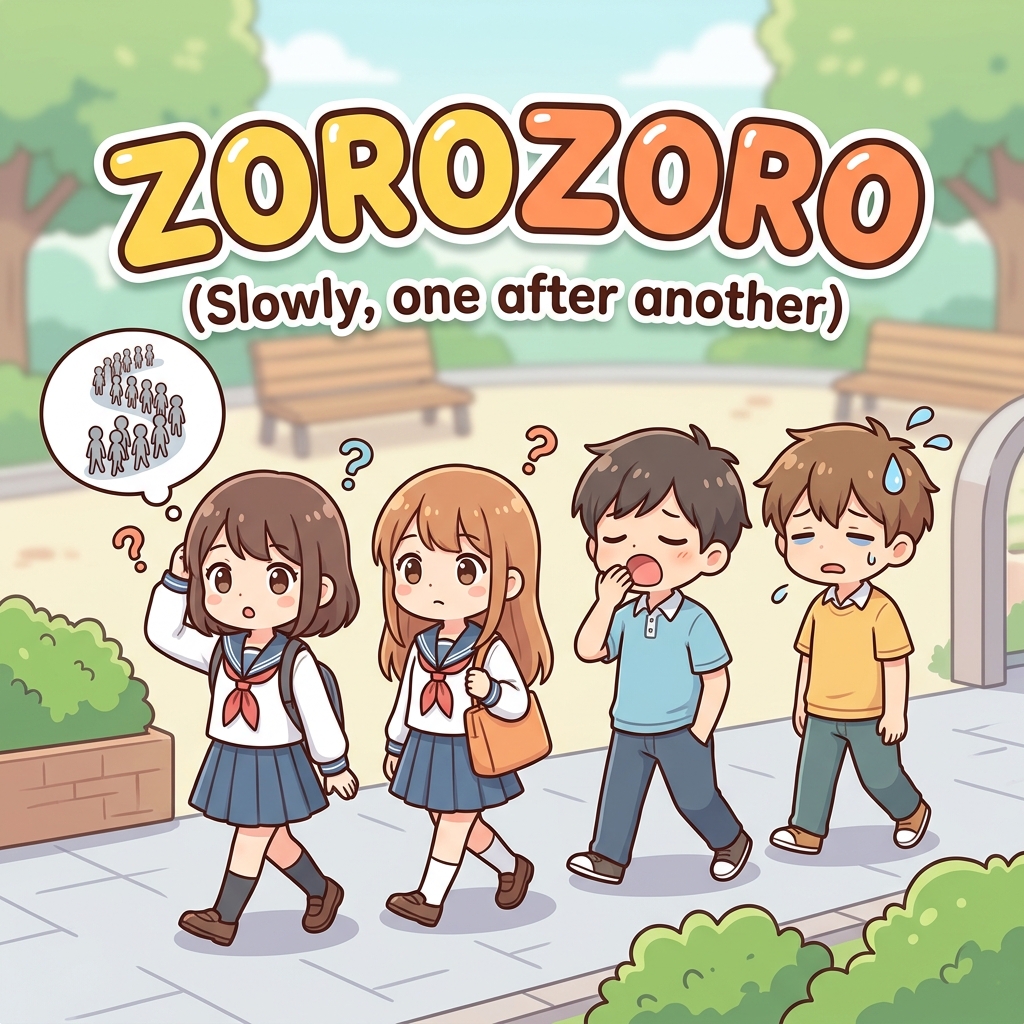
Several students walk slowly one after another along a park path, moving zorozoro (ぞろぞろ)

The Learner Mistake Behind Zorozoro

2026/10/12  

Learn when ぞろぞろ (zorozoro) sounds natural, strange, or too literal in Japanese.
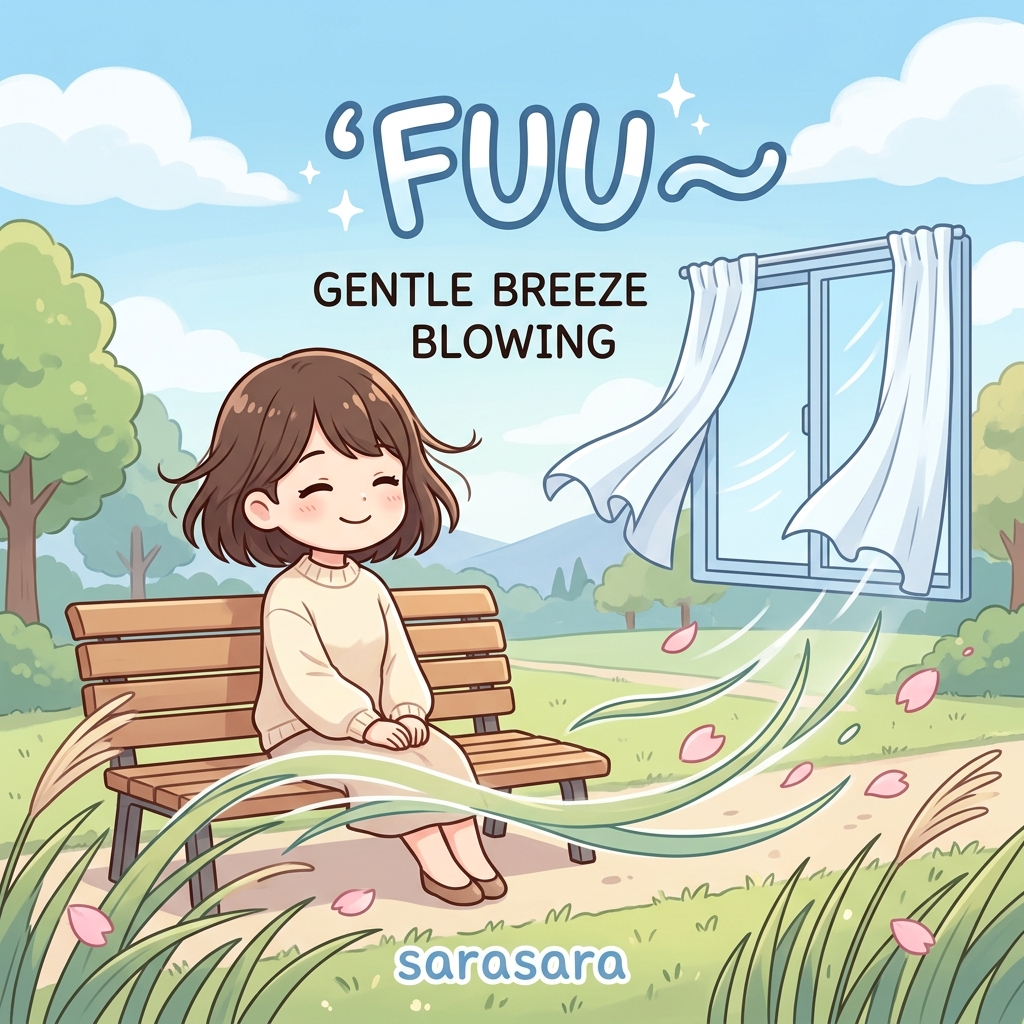
A woman sits on a park bench as a soft breeze lifts a curtain and blows petals past her, a gentle fuu (ふーっ) breeze

Fuu vs Sarasara: Natural Japanese Usage

2026/10/12  

Understand how ふーっ (fuu) differs from sarasara in everyday Japanese.
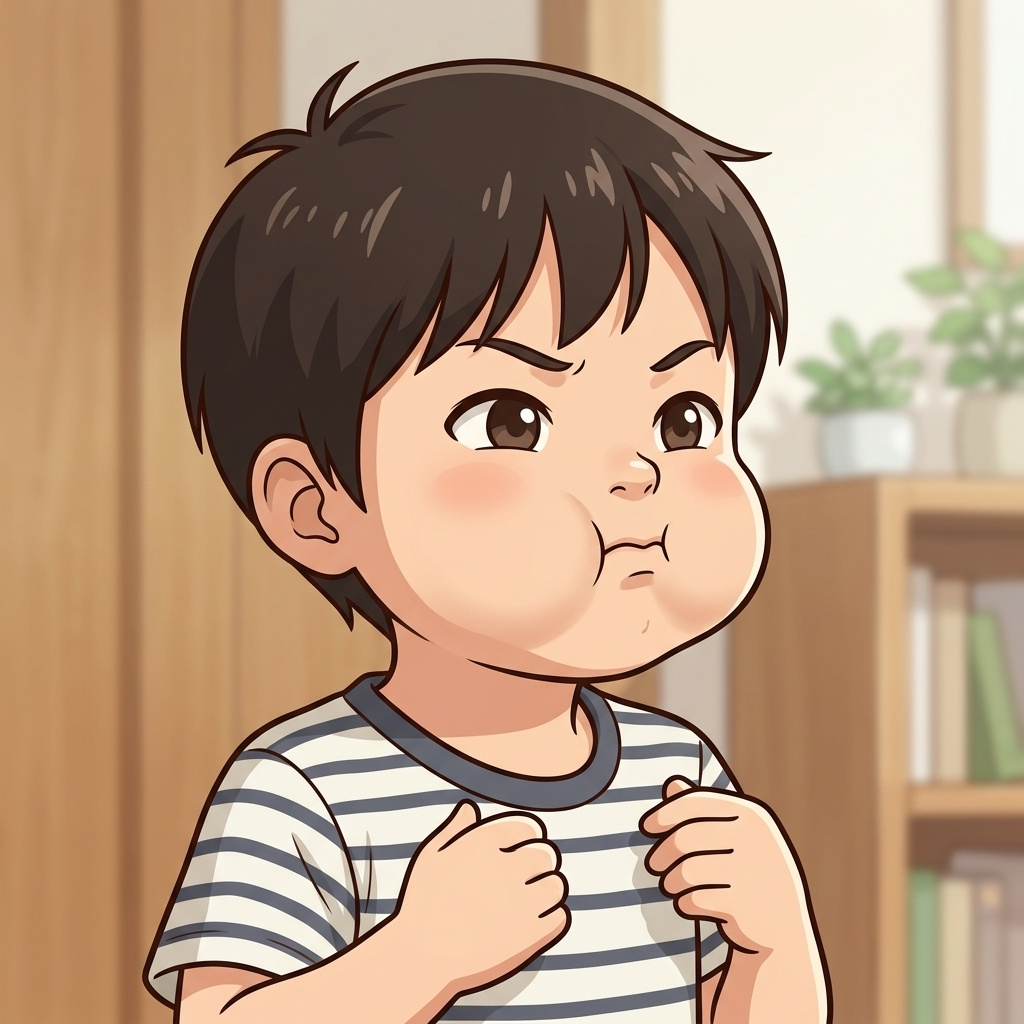
A boy puffs up his cheeks in a sulk with his fists held to his chest, a putto (ぷっと) pout

How Japanese People Use Putto Naturally

2026/10/12  

A beginner-friendly guide to ぷっ (putto) with examples and usage tips.

A schoolgirl covers her mouth with a sly, sheepish grin in a classroom

Niyaniya: More Than a Simple Japanese Word

2026/10/12  

Understand how Japanese speakers use にやにや (niyaniya) in real situations.

A smiling young woman steps out of the bath with a towel on her head, feeling sappari (さっぱり) refreshed

How Japanese People Use Sappari Naturally

2026/10/12  

Discover the meaning, feeling, and natural context of さっぱり (sappari). Learn how to use it for refreshment, relief, and mental clarity in daily Japanese.