Why Japan Editorial Team

Discover Japan Beyond the Surface.

Short answer: there are two separate services for two separate moments, not one all-purpose hotline — AMDA for when you don't have a clinic yet (weekdays, 10:00–16:00), and a clinic-side interpretation line that runs 24 hours a day once you're already at a registered clinic. Neither is for emergencies; that's always 119. Two moments, two different problems. You wake up with a bad fever and don't have a regular clinic yet — you don't even know where to start. Or: you're already sitting at a clinic's front desk, the receptionist is talking fast, and you can tell from her face ...
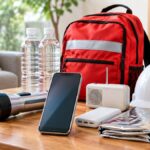
Short answer: Safety tips is a free disaster-alert app supervised by the Japan Tourism Agency. It covers 8 alert categories in 15 languages, and the developer's current page says all eight are sent as push notifications for the locations you choose (earthquake early warnings only when shaking of intensity 4 or higher is expected there). Official descriptions of Japan's multilingual disaster app are mostly written for short-term visitors — even the Japan Tourism Agency introduces it as a tool for foreign tourists — “download this before your trip.” That framing misses the people who actually need it most: residents who'll ...
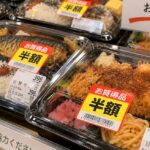
If you walk into a Japanese supermarket in the evening, you may notice small colored stickers appearing on bento boxes, prepared side dishes, and sushi trays, each marking the item down from its original price. In some stores, items may be marked down further later in the day if stock is still left. It looks like a system, and in a sense it is -- but it is not a nationwide schedule you can set your watch to. Short answer Many Japanese supermarkets mark down some prepared foods later in the day, as their selling window for that item gets ...

Can I use the toilet, and do I need to buy something? You're walking around in Japan, you need a restroom, and a convenience store is right there. Two questions usually show up at the same time: is it actually okay to use their restroom, and if you do, do you need to buy something on the way out? The short version is worth saying up front, because the honest answer isn't a strict rule either way. The short answer Whether a store's restroom is open to customers at all is a store-by-store decision, not a nationwide law. None of ...
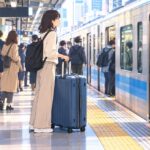
Tokyo trains are convenient — until you add a large suitcase Tokyo's trains are genuinely one of the easiest ways to get around a big city. That reputation is deserved most of the day. It changes with one specific combination: a large suitcase, on an ordinary commuter train, during the hours when that line is at its most crowded. This guide is about that specific combination — not trains in general, and not a warning to avoid them. Author's note: this comes from a standing practical view, not one specific trip — I haven't personally been stuck at one exact ...

Three employer-side cases in an MHLW casebook compare an English evaluation sheet, an English-language promotion assessment, and shared job-ability standards. Evidence is limited to employer reports.

A year-round workplace guide for Japan covering company calendars, leave requests, seasonal events, dress codes, gifts, busy periods, and severe-weather communication.
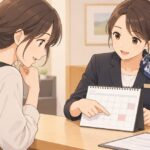
Learn how to handle indirect answers in Japan without guessing: check context, look for concrete next steps, and use polite follow-up questions.
Use four checks—place, time, people nearby, and posted rules—to judge noise in Japan, manage calls and device audio, and respond calmly if asked to be quieter.

A practical guide to asking clearly in Japanese shops, hotels, stations, and restaurants— including returns, changes, extra fees, and what to do after a refusal.