実写化 (jisshaka) is a key word in Japanese pop culture. It means turning a manga, anime, game, or novel into a live-action movie or TV drama with real actors. The word often appears when fans talk about casting, faithfulness to the original story, and whether the adaptation will work in live action.
Global Japanese Words
The word names a change from drawn to live action
実写化 (Jisshaka)
実写化 is used when a non-live-action work becomes a live-action production. It is especially common in conversations about manga and anime being adapted into films or dramas.
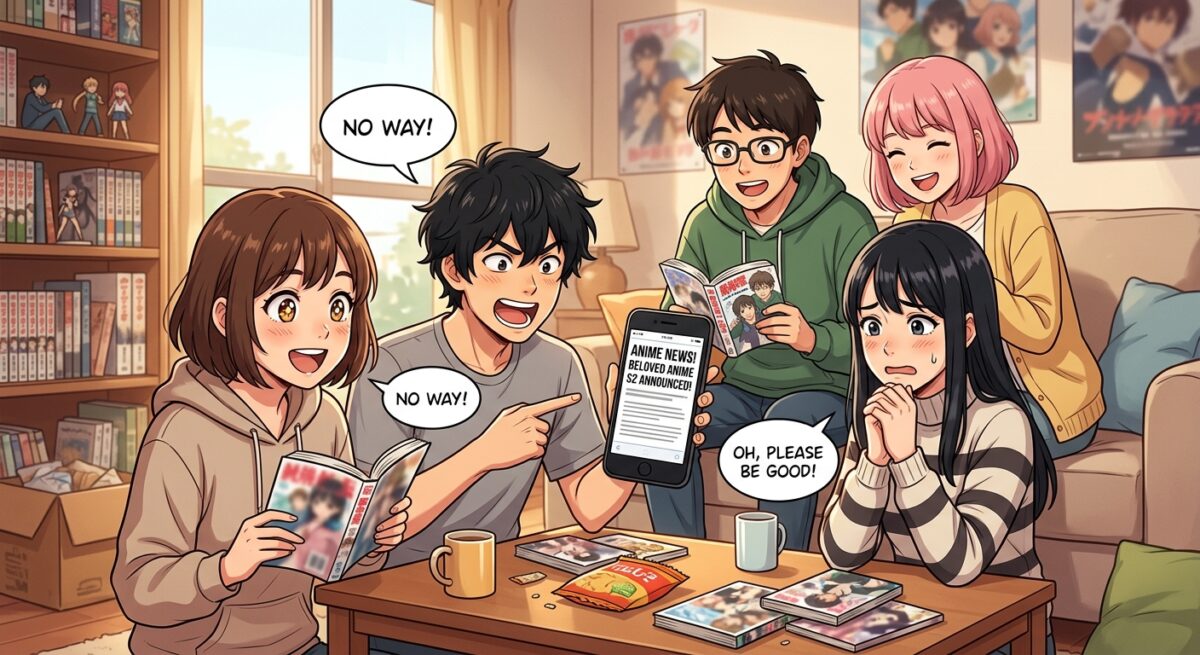
実写化 means adaptation with live actors
- Japanese
- 実写化
- Romaji
- Jisshaka
- Core meaning
- Live-action adaptation.
- Quick nuance
- 実写化 means adapting something like a manga, anime, game, or novel into live action with real actors. It is not the same as simply remaking an already live-action movie.
- Safe usage tip
- Use 実写化 when the original work was not live action and is being turned into a live-action film, drama, or series.
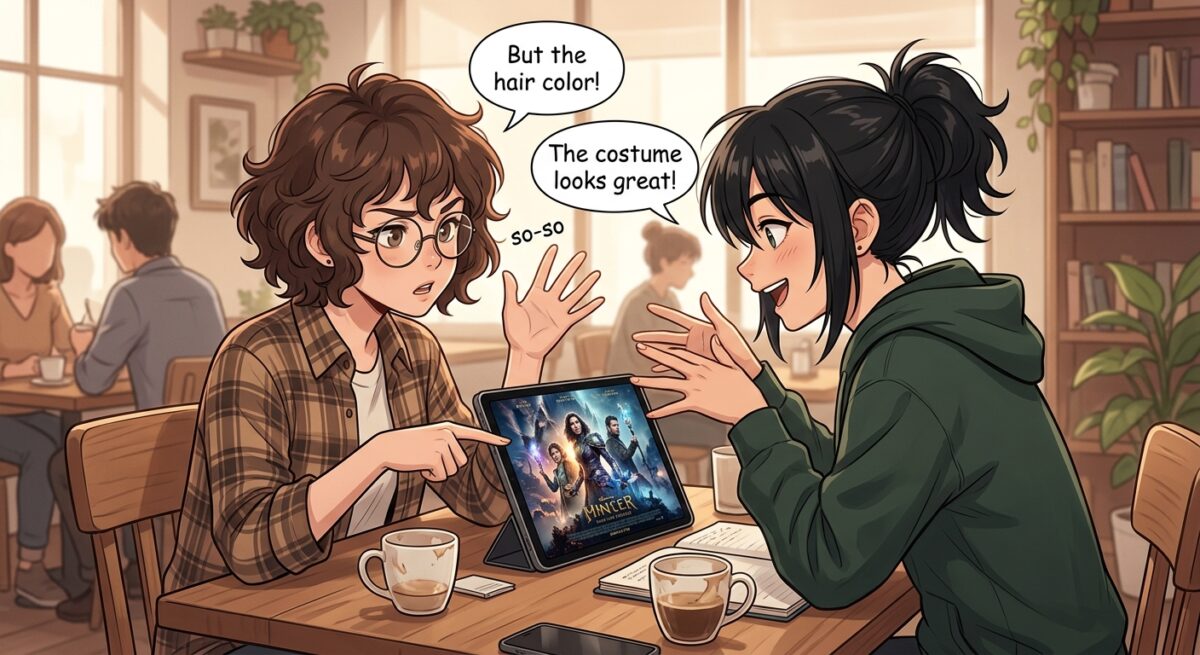
実写化 describes a change of medium
実写化 means making a live-action version of a work that was originally not live action. This often means adapting a manga, anime, video game, light novel, or novel into a film or TV drama using real actors.
The word is made from 実写, meaning live action or real photographed images, and 化, meaning “turning into” or “becoming.” So 実写化 literally has the feeling of “turning something into live action.”
In English, it is usually translated as “live-action adaptation.”
Use 実写化 for the change of medium
実写化 is not just a technical entertainment term. In Japanese pop culture, it often starts a debate among fans.
Some fans are happy because a favorite story will reach a wider audience. Others worry that the live-action version may not capture the original characters, tone, visuals, or world-building.
This is why 実写化 often appears together with words like キャスト (cast), 原作 (original work), 再現度 (faithfulness or accuracy of recreation), and 賛否両論 (mixed opinions).
It is not a synonym for remake or animation
English speakers may be tempted to use 実写化 for any movie adaptation, but the word is more specific than that.
If a manga becomes an anime, that is usually アニメ化. If a work becomes a movie in general, 映画化 may be used. But if a manga, anime, game, or novel becomes a live-action production with real actors, 実写化 is the right word.
Hear 実写化 in a casting discussion
Japanese: あの人気漫画の実写化が発表され、ファンの間では期待と不安の声が上がっている。
English: The live-action adaptation of that popular manga has been announced, causing a mix of excitement and concern among fans.
How 実写化 appears in entertainment news
In Japan, manga and anime often have very loyal fan communities. Because of that, a 実写化 announcement can quickly become a major topic online.
Fans may discuss whether the actors match the characters, whether the costumes look natural, whether the story will be changed, and whether the original atmosphere can work with real people and real locations.
Successful live-action adaptations can be praised for respecting the original while making it work as a new format. Less successful ones may be criticized for feeling awkward, rushed, or too different from the source material.
実写 plus 化
実 can mean reality, truth, or actual.
写 is connected to photographing, copying, or depicting.
化 means becoming, changing into, or “-ization.”
Together, 実写化 means turning something into a live-action form.
Original live-action works were not 実写化された
Do not use 実写化 when you are talking about an anime adaptation of a manga. In that case, アニメ化 is more natural.
Do not use 実写化 for a remake of a movie that was already live action. That is usually a remake, not a 実写化.
If you only mean “made into a movie,” without focusing on live action, 映画化 may be a better word.
Talking about manga and anime becoming live action
実写化 is a useful word if you follow Japanese entertainment news. Try comparing it with アニメ化, 映画化, and リメイク to understand the difference more clearly.
If the adaptation type is unclear
Check what the new production is changing. Use アニメ化 instead when a work is becoming animation, and リメイク when an existing screen work is being remade. An original drama with no source work is not automatically 実写化.