
Why Japan

Why Japan publishes informational content about Japanese language and culture. Articles may be drafted with AI assistance, and most have not received individual human review before publication. We correct errors when we find them or when readers report them.

Friends on a sofa react as one starts to reveal a story: one covers her mouth and another holds up both hands to stop him

Netabare (ネタバレ): How to Warn About Spoilers in Japanese

2026/10/21  

ネタバレ means revealing story information. Put ネタバレ注意 before the revealing detail so readers can decide whether to continue.
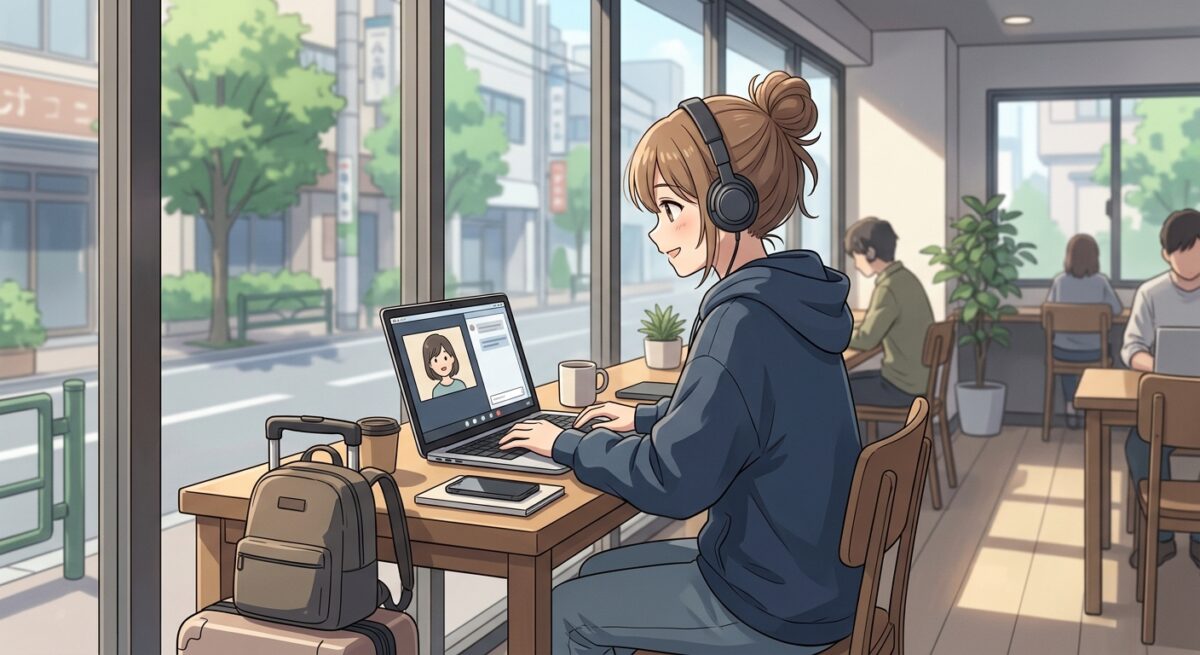
Digital Nomad situation illustration

Nomado (ノマド): How Japanese Narrows the “Digital Nomad” Idea

2026/10/21  

ノマド often points to laptop-based work. In Japanese, the label usually implies working by laptop away from a fixed office—not simply travelling.
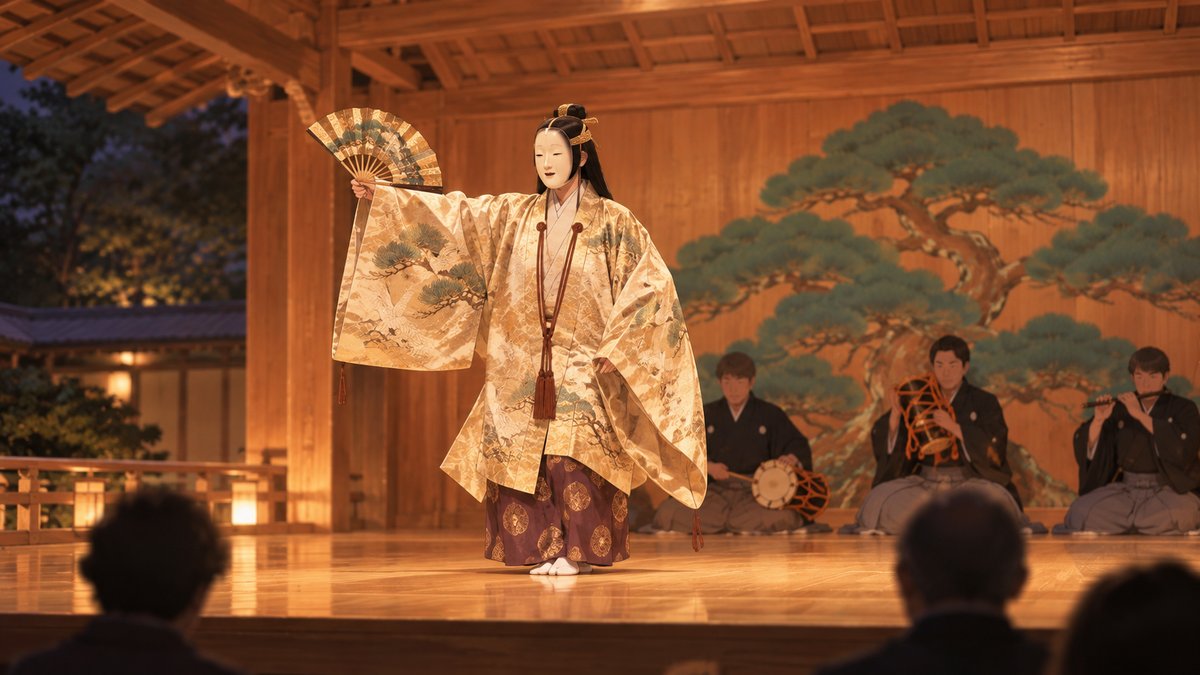
A masked Noh performer holding a fan on a bare wooden stage with a painted pine backdrop, musicians seated behind

Noh (能): The Theatre Form, Its Masks, and the Words to Use

2026/10/21  

能 is the theatre form; 面 names the mask. Use 能 for the theatre form and 能面 when you specifically mean a Noh mask.
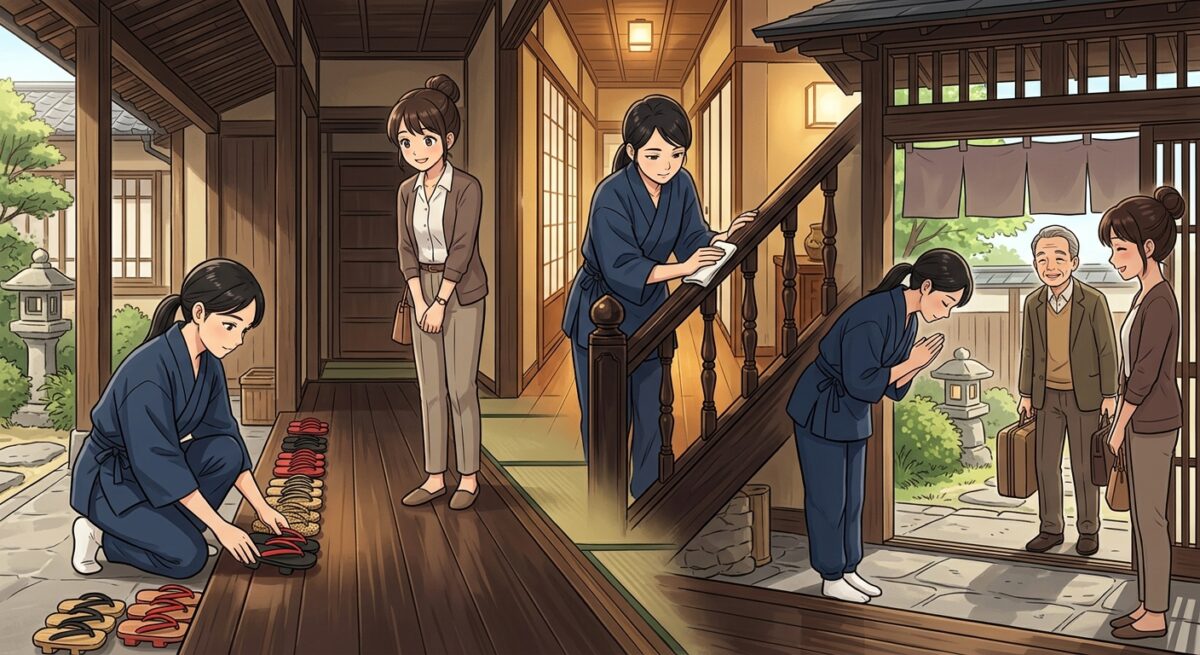
Politeness / Care situation illustration

Teinei (丁寧): Polite Speech, Careful Work, and the Difference

2026/10/21  

丁寧 can describe speech or careful work. The surrounding noun tells you whether 丁寧 describes respectful language, careful work, or a thorough explanation.