-
-
Mukumuku (むくむく) Meaning in Japanese: Real-life Usage & Nuance Guide
2026/4/19
What Does “Mukumuku (むくむく)” Mean?👉 Describes something soft, plump, or fluffy gently and steadily growing, swelling, or increasing in size.👉 Describes something soft and rounded slowly emerging or appearing.🧠 Real-life ImpressionIt evokes a feeling of warmth, coziness, and charm. It makes one imagine something soft to the touch, pleasing to observe as it expands, and often carries an affectionate or fond sentiment.⚠️ Usage WarningThis word must be used to describe soft, gradual, and usually positive or natural expansion/emergence. Misusing it for hard, sudden, or unpleasant swelling would be grammatically incorrect and contextually awkward.Social Perception: Generally perceived very positively, conveying cuteness, ...
-
-
Zotto (ぞっと) Meaning in Japanese: Real-life Usage & Nuance Guide
2026/4/19
What Does “Zotto (ぞっと)” Mean?👉 A sudden shiver or chill running down one's spine due to fear, disgust, or a creepy sensation.👉 A momentary feeling of dread or intense revulsion.🧠 Real-life ImpressionFor native speakers, 'ぞっと' conveys a very visceral, immediate, and unpleasant physical reaction. It instantly conjures the image of a sudden coldness, prickling sensation, or creeping dread that runs through one's body upon encountering something genuinely creepy, terrifying, or repulsive.⚠️ Usage WarningThis word is almost exclusively used for negative, unpleasant, or scary sensations. It is inappropriate and would cause confusion if used to describe positive excitement, pleasant surprises, or ...
-
-
Botari (ぼたり) Meaning in Japanese: Real-life Usage & Nuance Guide
2026/4/18
What Does “Botari (ぼたり)” Mean?👉 Describes the sound and manner of a relatively heavy, soft, or viscous object falling and hitting a surface with a dull, low thud or plop.👉 Implies the state or result of something falling in this manner, often suggesting a mess or a sudden, weighty impact.🧠 Real-life ImpressionIt evokes the image of something substantial but somewhat yielding hitting a surface, often resulting in a noticeable but not necessarily sharp sound. It feels more grounded and 'wet' or 'squishy' than 'dry' or 'hard'.⚠️ Usage WarningWhile generally neutral, it might be used humorously for an unexpected, messy drop. ...
-
-
Boribori (ぼりぼり) Meaning in Japanese: Real-life Usage & Nuance Guide
2026/4/18
What Does “Boribori (ぼりぼり)” Mean?👉 Describes the sound of vigorously crunching or gnawing on something hard, solid, or coarse, often with a rough, substantial texture.👉 Also used to describe the sound or act of vigorously scratching a persistent itch or scraping against a hard surface with force.🧠 Real-life ImpressionIn daily life, hearing ぼりぼり evokes an image of someone (or something) actively and sometimes impolitely engaging with something hard, either by eating it forcefully or scratching intensely. It's a very vivid and strong sound.⚠️ Usage WarningUsing ぼりぼり in formal dining situations to describe human eating might be considered impolite, as it ...
-
-
Kyu (きゅっ) Meaning in Japanese: Real-life Usage & Nuance Guide
2026/4/18
What Does “Kyu (きゅっ)” Mean?👉 The sound or sensation of something being tightened, squeezed, or compressed quickly and firmly, often with a high-pitched or sharp quality (e.g., a squeak, a cinch).👉 The feeling of something quickly and firmly contracting, shrinking, or tensing (e.g., muscles clenching, an object becoming taut).🧠 Real-life ImpressionIt evokes a clear image of something being secured, tightened, or contracting sharply and quickly, often accompanied by a distinct sound of friction or sudden reduction. It's concise and impactful.⚠️ Usage WarningDo not use "きゅっ" for general or prolonged 'tightness' or 'squeezing'. For a sustained, strong squeeze, "ぎゅっと" is more ...
-
-
Bontt (ぼんっ) Meaning in Japanese: Real-life Usage & Nuance Guide
2026/4/16
What Does “Bontt (ぼんっ)” Mean?👉 A sudden, brief, dull thud or muffled impact sound, often from a non-resonant object or a gentle but distinct hit.👉 A sudden, brief, muffled burst or puff, indicating a contained, non-sharp release (e.g., a dull, small explosion, a plume of dense smoke) or an abrupt, somewhat substantial appearance/disappearance.🧠 Real-life ImpressionIt evokes the impression of something happening very quickly and distinctly, but without a harsh, sharp, or prolonged sound. It's often associated with comic or somewhat magical effects in visual media, conveying a sense of suddenness with a hint of dullness or a contained quality.⚠️ Usage ...
-
-
Daradara (だらだら) Meaning in Japanese: Real-life Usage & Nuance Guide
2026/4/15
What Does “Daradara (だらだら)” Mean?👉 Describes a continuous, often slow or excessive flow of liquid, such as sweat, water, or saliva, indicating a persistent and often somewhat heavy movement rather than discrete drops.👉 Describes a state of idleness, laziness, sluggishness, or doing something slowly and inefficiently without clear purpose; wasting time aimlessly.🧠 Real-life ImpressionWhen used for people, it often creates an impression of unproductiveness, lack of motivation, or wasting time. When describing liquids, it conveys a persistent, sometimes annoying or noticeable, continuous flow.⚠️ Usage WarningUse with caution when describing human actions, as it can imply criticism or a negative assessment ...
-
-
Majimaji (まじまじ) Meaning in Japanese: Real-life Usage & Nuance Guide
2026/4/15
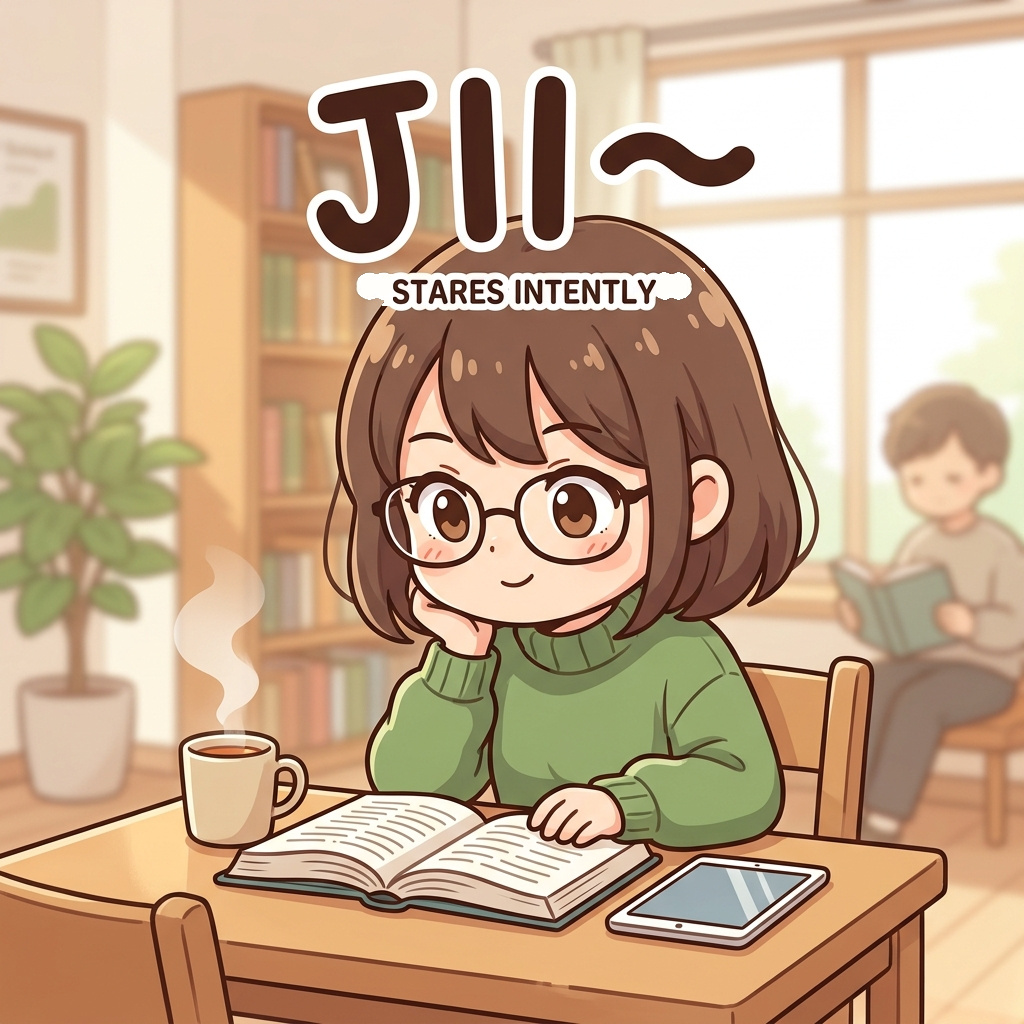
What Does “Majimaji (まじまじ)” Mean?👉 Staring intently and fixedly at something or someone, often out of curiosity, surprise, or deep absorption.👉 To scrutinize or examine something closely and without blinking, taking in every detail.🧠 Real-life ImpressionWhen someone looks at you 'まじまじと', you feel their full, unwavering attention is on you. It can evoke a sense of being examined, wondered at, or deeply observed, often making one ponder if there's something particularly striking or unusual about them.⚠️ Usage WarningUse 'まじまじ' to emphasize an unblinking, focused, and often surprised or curious stare. While it can describe appreciation or absorption, ensure the context ...
-
-
Barabara (ばらばら) Meaning in Japanese: Real-life Usage & Nuance Guide
2026/4/14
What Does “Barabara (ばらばら)” Mean?👉 The state of things breaking apart, crumbling, or scattering into many pieces.👉 The state of people or things becoming separated, disorganized, or losing cohesion and unity.🧠 Real-life ImpressionEvokes an immediate image of something literally or figuratively falling apart, shattering, or a group losing its coherence. It often carries a connotation of disorder or a destructive outcome.⚠️ Usage WarningUse 'ばらばら' when emphasizing disunity, fragmentation, or a significant scattering of objects or people. Avoid for light, gentle, or orderly scattering, for which other onomatopoeia would be more appropriate.Social Perception: A widely understood and common onomatopoeia. It is ...
-
-
Shī- (しーっ) Meaning in Japanese: Real-life Usage & Nuance Guide
2026/4/14
What Does “Shī- (しーっ)” Mean?👉 An onomatopoeia primarily used as an interjection to command or request immediate silence, often accompanied by a finger-to-lips gesture.👉 To compel or urge the maintenance of silence, often with the implication of confidentiality, discretion, or focused listening, or to prevent disturbance.🧠 Real-life ImpressionIt's a widely recognized and commonly used expression for quieting someone, making it very effective in everyday situations, similar to 'Shhh' in Western cultures.⚠️ Usage WarningBest used among equals, towards subordinates, children, or in urgent situations. When addressing superiors or in formal settings, it's generally more polite to use indirect or honorific requests ...