If you want a Japanese tattoo that means “gratitude,” 感謝 (kansha) is the clearest and lowest-risk starting point. It means gratitude, appreciation, or thanks, and it is widely understood by Japanese speakers.
That said, a tattoo is permanent, so the word should be checked not only for meaning but also for tone, balance, and visual design. This guide explains why 感謝 works, what it feels like in Japanese, and what to avoid before using it as body art.
Quick Answer: Gratitude in Japanese Tattoos
The most common Japanese word for “gratitude” is 感謝 (kansha). It is natural, easy to understand, and generally suitable as a simple kanji tattoo when the design is checked carefully.
It is a direct word, so it works best if you want the message to be clear rather than poetic or hidden.
Japanese Tattoo Word Example
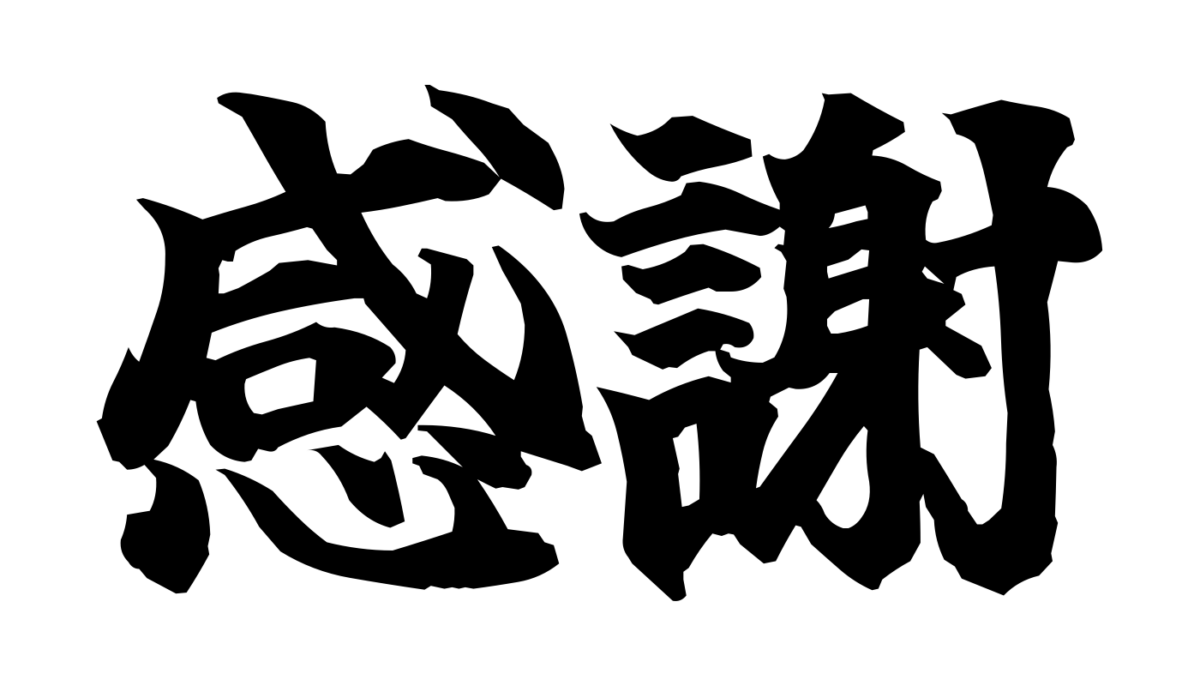
Best Japanese Tattoo Idea for Gratitude
For a Japanese tattoo meaning “gratitude,” 感謝 (kansha) is the most straightforward option. It is not slang, not obscure, and not a strange machine-translated phrase.
It can stand alone as a two-kanji tattoo. The message is simple: appreciation, thankfulness, and gratitude.
| Japanese | Romaji | Meaning | Naturalness | Tattoo Score | Risk | Best for |
|---|---|---|---|---|---|---|
| 感謝 | kansha | Gratitude, appreciation, thanks. | 95 | 88 | Low | A clear, direct tattoo meaning gratitude or appreciation. |
| ありがとう | arigatou | Thank you. | 98 | 70 | Medium | A soft, personal message, but it may feel more like a phrase than a kanji tattoo. |
| 恩 | on | Kindness received, debt of gratitude. | 85 | 72 | Medium | A deeper idea of gratitude toward someone’s kindness, but more nuanced and less direct. |
Meaning of 感謝 (kansha)
感謝 (kansha) means gratitude, appreciation, or thanks. It can describe the feeling of being thankful, and it can also appear in phrases about expressing thanks.
The first kanji, 感, is connected to feeling or emotion. The second kanji, 謝, is connected to thanking or apologizing, depending on the word. Together, 感謝 clearly means gratitude or appreciation.
Naturalness in Japanese
感謝 is a very natural Japanese word. It is used in everyday speech, formal messages, speeches, letters, and public expressions of thanks.
As a tattoo, it is understandable and low-risk. However, it is also quite direct. If you want something more poetic or personal, you may want to consider whether 感謝 alone feels too simple for your design.
Tattoo Suitability of 感謝 (kansha)
感謝 is generally suitable for a Japanese tattoo if your goal is a clear word meaning “gratitude.” It is short, balanced, and easy to recognize.
The main risk is not the meaning itself, but the design. Poor font choice, incorrect stroke style, or awkward placement can make even a correct word look unnatural. Always check the final visual design before getting it tattooed.
Cultural Nuance of Gratitude in Japan
感謝 is widely used in Japanese to express appreciation. You may see it in phrases such as 感謝しています, meaning “I am grateful,” or 感謝の気持ち, meaning “a feeling of gratitude.”
For a tattoo, 感謝 works because the meaning is clear without needing a long sentence. It does not sound strange as a concept word, though it may feel more like a direct statement than a poetic phrase.
Safer Alternatives for Gratitude Tattoos
If you want the direct meaning “gratitude,” 感謝 is still the best low-risk option.
If you want a softer and more personal feeling, ありがとう may work, but it looks less like a compact kanji tattoo. If you want a deeper idea of gratitude toward kindness received, 恩 can be considered, but it is more culturally nuanced and should be checked carefully.
What to Avoid
Avoid building a long Japanese sentence by translating English words one by one. A sentence may be grammatically correct but awkward as a tattoo.
Also avoid mixing 感謝 with random kanji only because they look beautiful. Kanji combinations can easily create unintended meanings.
Ready to check your Japanese tattoo idea? Use our Japanese Tattoo Checker for instant feedback on naturalness, meaning, and suitability.
Frequently Asked Questions
Key Takeaway for Your Gratitude Tattoo
For a Japanese tattoo expressing “gratitude,” 感謝 (kansha) is the most recommended low-risk option. It is clear, natural, and easy to understand. Before getting it inked, confirm the final calligraphy style and design balance carefully.
This article is for educational guidance only. Before choosing a permanent tattoo, confirm the exact wording, nuance, and visual design with a trusted native Japanese speaker or professional tattoo artist.