Japanese has several words for “strength,” and they do not mean the same thing on skin. 力 names power or force, 強さ names the quality of being strong, and 剛 suggests hard, unbending toughness. This guide compares the three so the word you choose matches the strength you mean.
Quick Answer: Best Japanese Tattoo for Strength
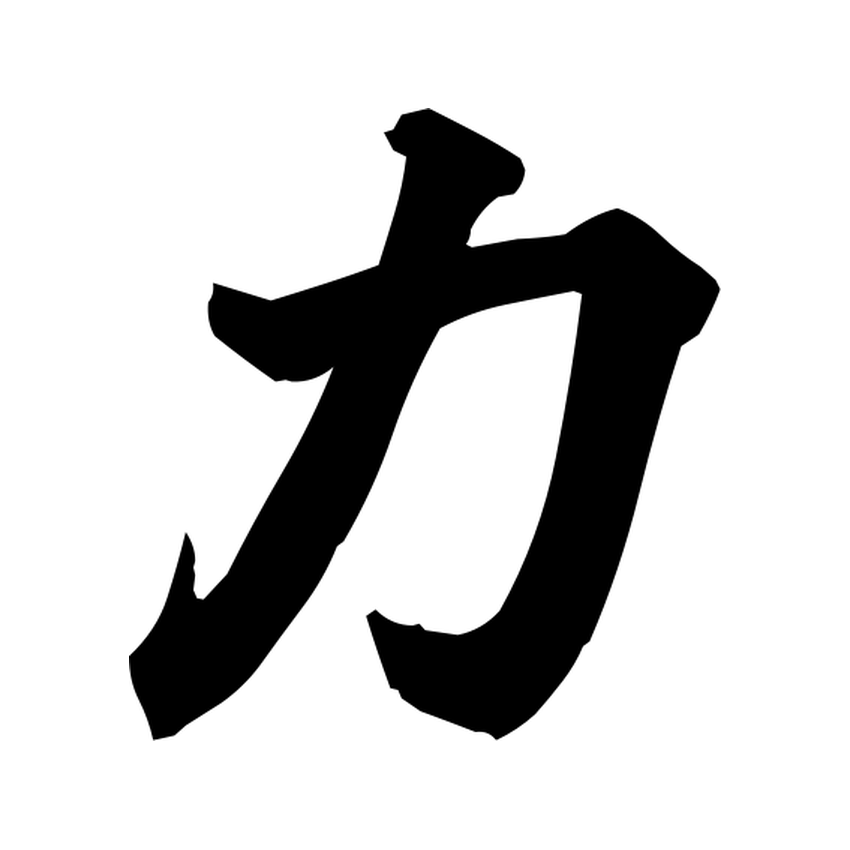
For a Japanese tattoo representing ‘strength,’ 力 (chikara) is usually the most straightforward option. It is a single, common kanji that directly means power, strength, or force, so its meaning is clear without extra context.
Japanese Tattoo Word Examples
Understanding Your Options for 'Strength'
Here are the three common choices and how each one reads:
- 力 (chikara): This kanji directly means 'strength,' 'power,' 'force,' or 'ability.' It is widely used and understood in many contexts, from physical strength to influence or capability.
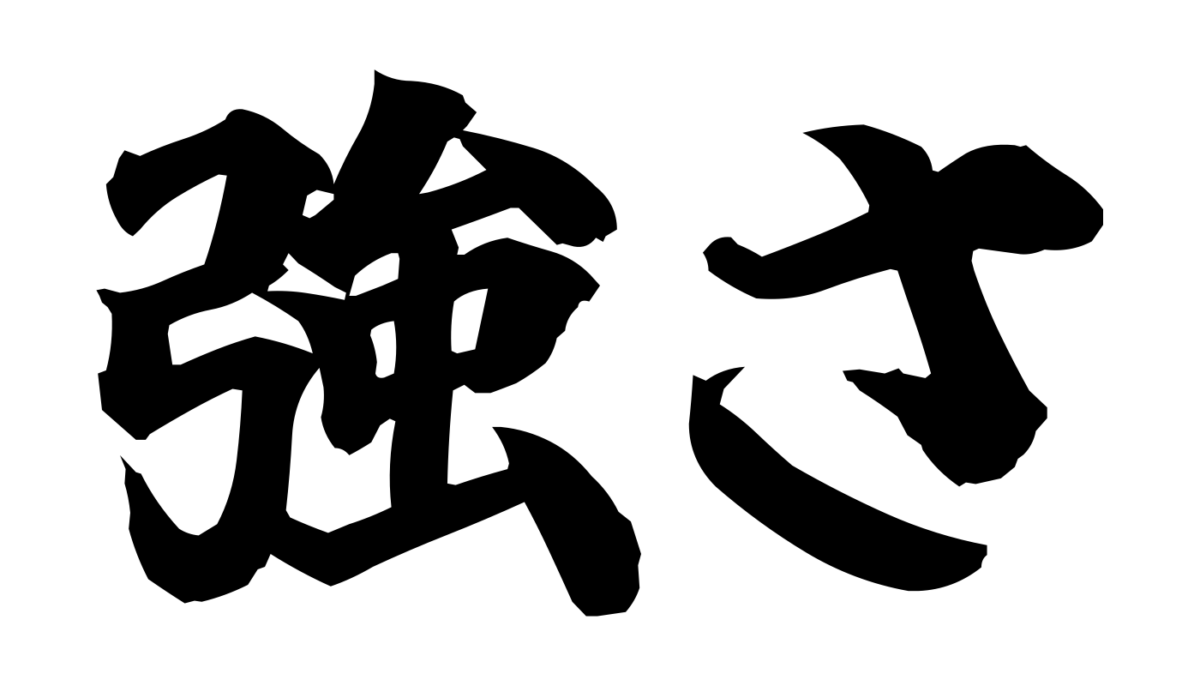
- 強さ (tsuyosa): This is the noun form of the adjective 強い (tsuyoi), meaning 'strong.' It translates to 'strength' or 'powerfulness,' referring to the quality of being strong.
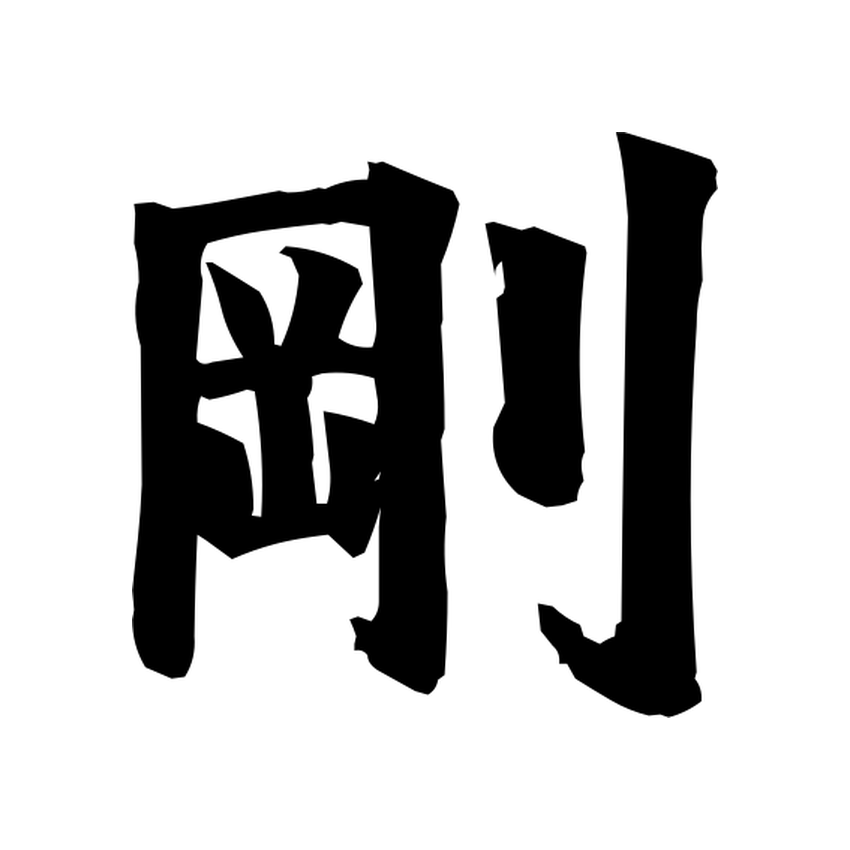
- 剛 (gou): This kanji conveys 'strong,' 'hard,' 'robust,' or 'unyielding.' It often appears in compound words or names and can carry a firm or masculine nuance.
Meaning and Nuance
While all three words relate to strength, their specific meanings and connotations vary. 力 (chikara) is a fundamental and versatile term for strength, power, or force. 強さ (tsuyosa) focuses on the quality or state of being strong. 剛 (gou) implies a more rigid, unyielding, and often masculine form of strength, and it is frequently used in specific contexts or compounds.
Naturalness in Japanese
力 (chikara) is highly natural and commonly used in everyday Japanese to express various forms of strength or power. 強さ (tsuyosa) is also natural and grammatically correct, but as a standalone tattoo word, it may feel a bit more abstract. 剛 (gou) is natural in specific contexts, especially in compound words or names, but it can feel less complete as a general standalone representation of 'strength.'
Tattoo Suitability
For a tattoo, conciseness and clear meaning are important. 力 (chikara) works well because it has a strong visual shape and a direct meaning. 強さ (tsuyosa), while correct, may not have the same visual impact or directness as a short tattoo word. 剛 (gou) can look powerful, but many Japanese speakers may read it as specific, masculine, or incomplete without additional context.
Cultural Nuance: Choosing Wisely
The practical difference is what each word points to. 力 is power you can use or apply (physical strength, ability, influence). 強さ is the state of being strong, which is why it reads more naturally inside a sentence such as 心の強さ (strength of heart). 剛 is firmness and toughness, and it is also familiar as a given name, so a single 剛 may be read as a name before it is read as a value.
Comparison Table: Japanese Tattoo Ideas for Strength
| Japanese | Romaji | Meaning | How it reads as a tattoo | Best for |
|---|---|---|---|---|
| 力 | Chikara | Strength, power, force | Reads at once as ‘strength / power’. One kanji, easy to fit into a small design. | A direct, impactful, and broadly understandable representation of strength. |
| 強さ | Tsuyosa | The quality of being strong | Correct, but the kana さ makes it look like a word lifted from a sentence (‘the strength of…’) rather than a symbol. | A more descriptive expression of the quality of strength. Often better in phrases than as a standalone tattoo. |
| 剛 | Gou | Robust, unyielding strength | Reads as hard, unbending toughness; because it is common in given names, on its own it can look like someone’s name. | Specific, often masculine or traditional strength. Best used in compounds or with careful confirmation. |
Safer Alternatives for a 'Strength' Tattoo
If you are unsure, 力 (chikara) is the simplest choice: it is common, short, and means strength without a sentence around it. Choose 強さ only if you want ‘strength’ as a quality you describe, and 剛 only if you specifically mean hard, unbending strength.
Frequently Asked Questions
Key Takeaway
When seeking a Japanese tattoo for 'strength,' 力 (chikara) is often the most natural, direct, and visually impactful choice. Other options exist, but 力 usually offers the clearest balance of meaning, simplicity, and tattoo suitability.
Related guides
This article is for educational guidance only. Before choosing a permanent tattoo, confirm the exact wording, nuance, and visual design with a trusted native Japanese speaker or professional tattoo artist.
Check Your Japanese Tattoo Before You Commit
Before you get it inked, use our Japanese Tattoo Checker to review the naturalness, cultural context, and tattoo suitability of your chosen kanji.