運命 (unmei) is the standard Japanese word for “destiny” or “fate.” This guide explains how it reads as a tattoo and compares it with 縁 (en) and 宿命 (shukumei), which describe fate in different ways.
運命 (unmei) means ‘destiny’ or ‘fate’ and is a common, natural word. As a tattoo it is clear and understandable. It is also a very general word, so if you mean fate in relationships, or an unavoidable destiny, 縁 (en) or 宿命 (shukumei) may say it more precisely.
How This Word Looks in Japanese
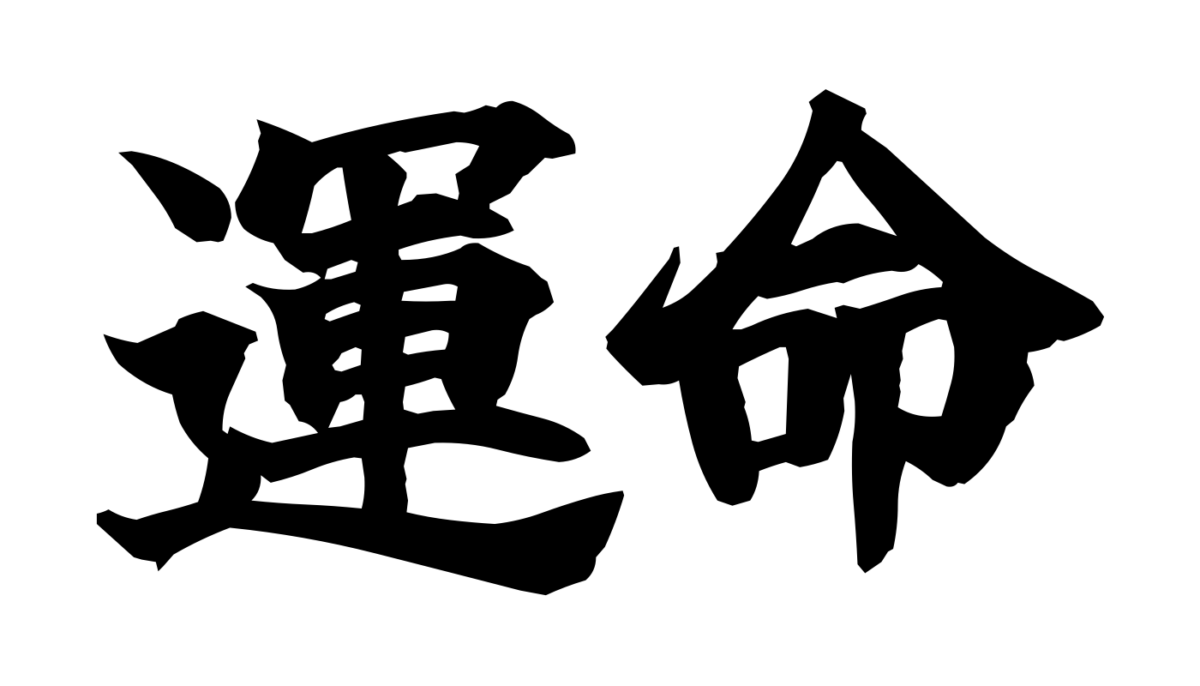
Meaning of 運命 (unmei)
‘運命’ (Unmei) is the standard Japanese word for ‘destiny’ or ‘fate’. It is composed of two kanji: 運 (un), meaning ‘luck’ or ‘carry’, and 命 (mei), meaning ‘life’ or ‘command’. Together, they convey the idea of a predetermined course of life or events.
How Natural Does 運命 (unmei) Sound as a Tattoo?
運命 is natural and common in speech and writing, from everyday conversation to song titles. On its own as a tattoo it reads as a broad statement about fate. That is fine if a general statement is what you want.
Tattoo Suitability of 運命 (unmei)
運命 is readable and balanced as two kanji, and its meaning is not misleading. The choice is about precision: 運命 is fate in general, 縁 is the fate that brings people or things together, and 宿命 is a fate that cannot be avoided.
Cultural Nuance of 運命 (unmei)
運命 can describe good or bad fate, and phrases such as 運命の出会い (a fateful meeting) show its romantic use. Because it is such a common word, some readers may see a single 運命 as general rather than personal; adding context or choosing a more specific word changes that.
Comparison of Destiny-Related Japanese Words
To help you compare ‘運命’ with other related concepts, here’s a quick overview:
| Japanese | Romaji | Meaning | How it reads as a tattoo | Best for |
|---|---|---|---|---|
| 運命 | Unmei | Destiny, Fate | Reads clearly as ‘destiny / fate’ in general; can feel broad without context. | A straightforward and direct representation of ‘destiny’ or ‘fate’. |
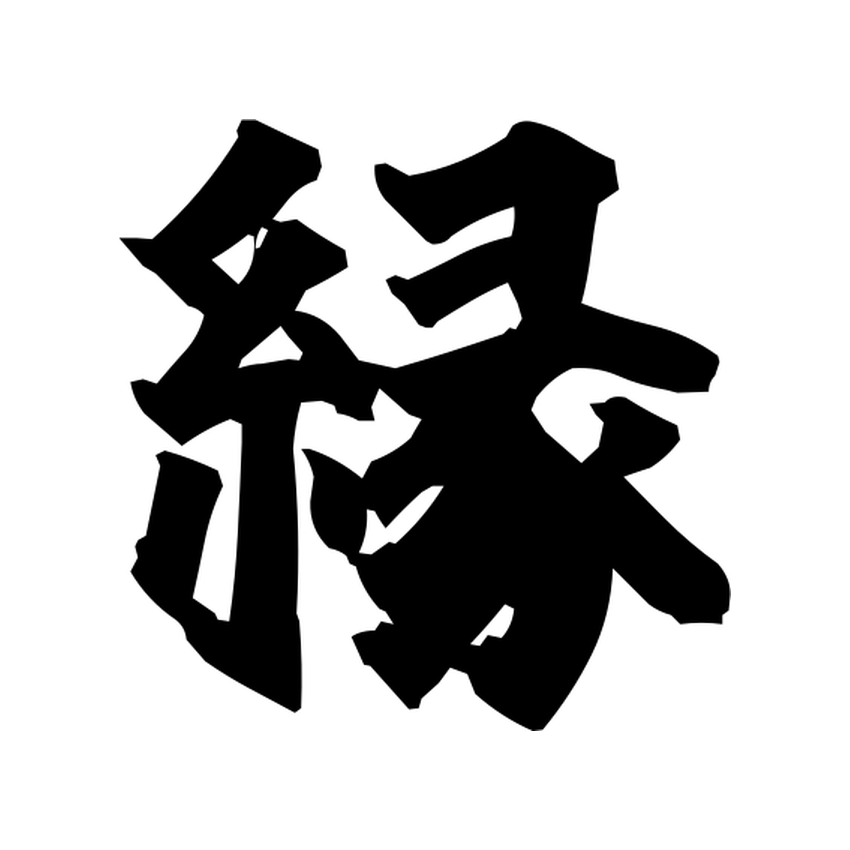
| 縁 | En | Fate, Destiny, Bond, Connection (especially between people) | Reads as the fate or connection that brings people or things together (Digital Daijisen lists ‘めぐりあわせ’ among its senses). Warm and personal. | A more nuanced and personal sense of destiny, particularly related to fated encounters or strong personal bonds. |
| 宿命 | Shukumei | Predestined fate, Inevitable destiny | Reads as a fate you cannot escape; heavier and more serious in tone. | A strong, unavoidable sense of destiny; heavy in tone, so consider how it will read to others. |
Other Words for Destiny
If you’re looking for alternatives that carry a similar meaning but with potentially more nuance or personal resonance, consider these:
- 縁 (en): ‘Fate,’ ‘bond,’ or ‘connection.’ Digital Daijisen, a standard Japanese dictionary, lists both ‘the fate that brings things about’ (めぐりあわせ) and ties between people among its senses, so it suits a tattoo about meaningful encounters or relationships.
- 道 (Michi): Meaning ‘path’ or ‘way’, this can subtly imply one’s life journey or destiny without being as direct as ‘運命’. It suggests a personal journey or chosen path.
- 巡り合わせ (meguriawase): A word written with kanji and kana rather than a single kanji, meaning ‘the way things come around,’ fate that arrives naturally. (Do not confuse it with 巡り合い, meguriai, ‘a chance encounter.’)
Still unsure about your Japanese tattoo? Run your idea through our AI-assisted checker for a quick first check.
Frequently Asked Questions
While ‘運命’ is a clear choice for ‘Destiny’, consider alternatives like ‘縁’ (en) for a more personal or relational sense of fate, or explore phrases that convey a deeper, more specific meaning of your journey.
Related guides
This article is for educational guidance only. Before choosing a permanent tattoo, confirm the exact wording, nuance, and visual design with a trusted native Japanese speaker or professional tattoo artist.