The concept of “honor” can be meaningful across many cultures, but choosing the right Japanese wording for a tattoo requires care. English “honor” can point to reputation, dignity, pride, integrity, family honor, or personal values, and Japanese has different words depending on the nuance.
This guide compares two natural Japanese options for an “Honor” tattoo: 名誉 (meiyo) and 誇り (hokori). Both can work, but they do not mean exactly the same thing.
Quick Answer: Best Japanese Words for “Honor”
For “Honor” in a Japanese tattoo, 名誉 (meiyo) is the most direct option when you mean honor, reputation, or public esteem. 誇り (hokori) is better when you mean personal pride, dignity, or self-respect.
If your intended meaning is “honor” as social respect or a good name, choose 名誉. If your intended meaning is “honor” as inner dignity or pride in who you are, 誇り may feel more personal and natural.
Japanese Tattoo Word Examples
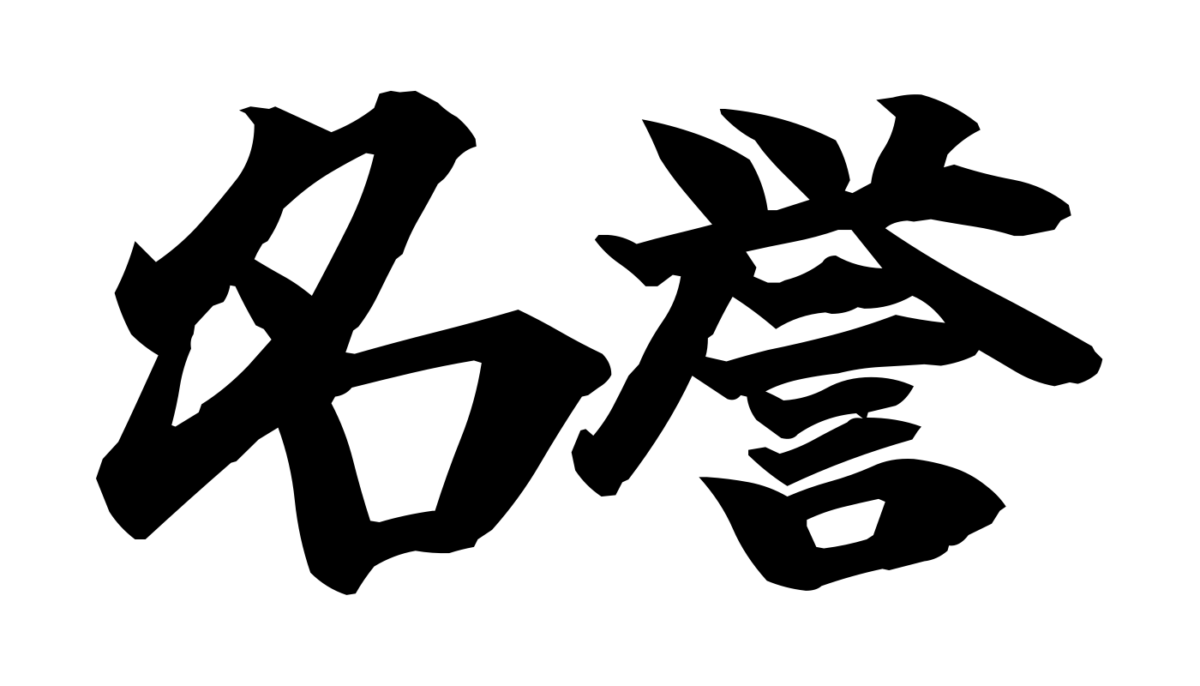
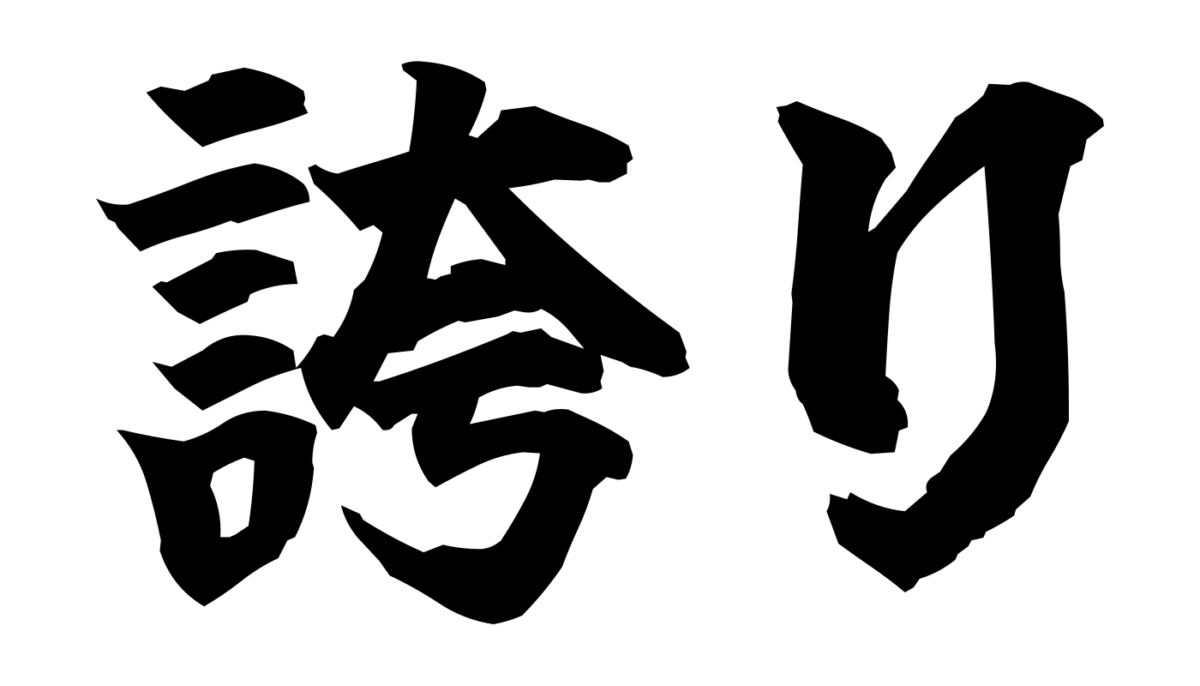
Comparing Japanese Words for “Honor”
Let’s compare the most suitable Japanese options for “Honor” and how their meanings differ.
| Japanese | Romaji | Meaning | How it reads as a tattoo | Best for |
|---|---|---|---|---|
| 名誉 | meiyo | Honor, reputation, prestige | Reads as honor in the public sense (reputation, prestige, a good name); formal in tone. | Public honor, reputation, family honor, or social respect. |
| 誇り | hokori | Pride, dignity, self-respect | Reads as personal pride, dignity, or self-respect; warmer and more personal (note the kana り). | Personal dignity, self-respect, pride in identity, or pride in achievements. |
Meaning of “Honor” in Japanese Tattoos
When choosing a Japanese word for “Honor,” the most important question is what kind of honor you want to express.
名誉 (meiyo) refers to honor, reputation, prestige, or a respected public standing. It is often about how a person, family, group, or achievement is viewed by others.
誇り (hokori) refers to pride, dignity, or self-respect. It feels more internal and personal. In tattoo use, it may better match the idea of carrying your own dignity or being proud of who you are.
Naturalness in Japanese Language
Both 名誉 (meiyo) and 誇り (hokori) are natural Japanese words. A Japanese speaker would understand both, but the impression is different.
名誉 sounds more formal and public. It can appear in serious contexts such as awards, reputation, public recognition, or family honor. 誇り sounds more personal and emotional. It can be used when talking about dignity, identity, or something you feel proud of.
Tattoo Suitability
From a tattoo suitability perspective, both 名誉 (meiyo) and 誇り (hokori) are worth considering after checking the nuance. They are short Japanese words, making them easier to design than long phrases.
However, neither choice should be treated as automatically perfect for every person. 名誉 may feel a little formal or reputation-focused, while 誇り may feel more like “pride” than “honor” depending on your intended meaning.
Before making a permanent tattoo, it is best to confirm the exact wording, font style, and visual balance with a trusted native Japanese speaker or a tattoo artist experienced with Japanese text.
Cultural Nuance of “Honor”
Although both 名誉 (meiyo) and 誇り (hokori) can connect to the English idea of “honor,” they carry different shades of meaning.
名誉 often relates to external honor: reputation, public respect, social standing, or a good name. 誇り is more about internal pride, self-respect, and dignity.
If your tattoo is about being respected by others or preserving a good name, 名誉 is closer. If your tattoo is about personal dignity or inner pride, 誇り may be the better fit.
Safer Alternatives for “Honor”
There is no single perfect Japanese word for every meaning of “Honor.” The safest choice depends on your intended nuance.
- 名誉 (meiyo) fits better if you mean honor, reputation, prestige, or a respected name.
- 誇り (hokori) fits better if you mean personal pride, dignity, or self-respect.
- If you mean moral integrity, compare 誠実 (seijitsu), sincerity and honesty in how you act, and 義 (gi), doing what is right. Both describe character rather than reputation.
Avoid combining random kanji just because they look beautiful. Japanese tattoo wording should be checked as a complete phrase, not only as individual characters.
Ready to check your Japanese tattoo idea? Use our Japanese Tattoo Checker for an automated, AI-assisted first check of your wording.
Frequently Asked Questions
Key Takeaway for Your “Honor” Tattoo
For a Japanese tattoo meaning “Honor,” 名誉 (meiyo) is a strong choice for public honor, reputation, or prestige. 誇り (hokori) is a strong choice for personal pride, dignity, or self-respect. Both are natural words, but the best option depends on the exact meaning you want your tattoo to carry.
Related guides
This article is for educational guidance only. Before choosing a permanent tattoo, confirm the exact wording, nuance, and visual design with a trusted native Japanese speaker or professional tattoo artist.