The everyday Japanese word for “hope” is 希望 (kibou). It is correct and widely understood, but it is also an ordinary, practical word, so it helps to know how it reads before you put it on your skin.
Quick Answer: Is "Hope" a Good Japanese Tattoo?
The most direct translation for “hope” in Japanese is 希望 (kibou). It is natural and commonly understood. Because 希望 is also used in everyday, practical senses such as a “request” or “preference” (for example 希望日, a preferred date), a tattoo of 希望 alone can read plainly rather than poetically.
Visual Reference for the Japanese Word
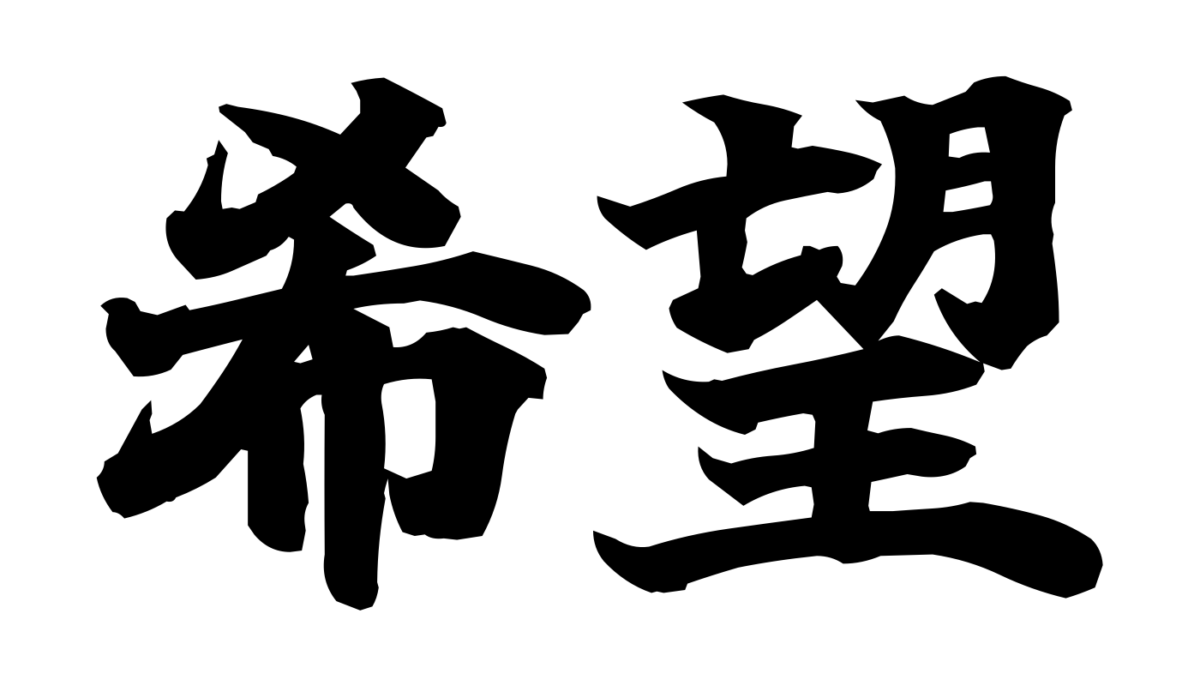
Meaning of 希望 (kibou)
The kanji compound 希望 (kibou) directly translates to "hope," "wish," or "desire." It is composed of 希 (ki), meaning "rare" or "hope," and 望 (bou), meaning "desire" or "look out over." Together, they form a clear and unambiguous expression of hope.
Naturalness in Japanese
希望 (kibou) is a natural and frequently used word in everyday Japanese conversation and writing. Japanese readers recognise it immediately, and it has no unusual or archaic connotations. You will see it everywhere from news reports to song lyrics.
Tattoo Suitability of 希望 (kibou)
Linguistically, 希望 (kibou) is an accurate choice for “hope.” It is legible, positive, and easy to read. The main thing to decide is whether you want an everyday word (希望) or an image that suggests hope, such as 光 (light).
Cultural Nuance of "Hope" in Japanese Tattoos
希望 is used in many settings: hopes for the future (将来への希望), but also wishes and preferences in forms and applications (希望する, “to wish for / request”). That range is why some readers see it as a plain word. It is not wrong as a tattoo; it is simply direct.
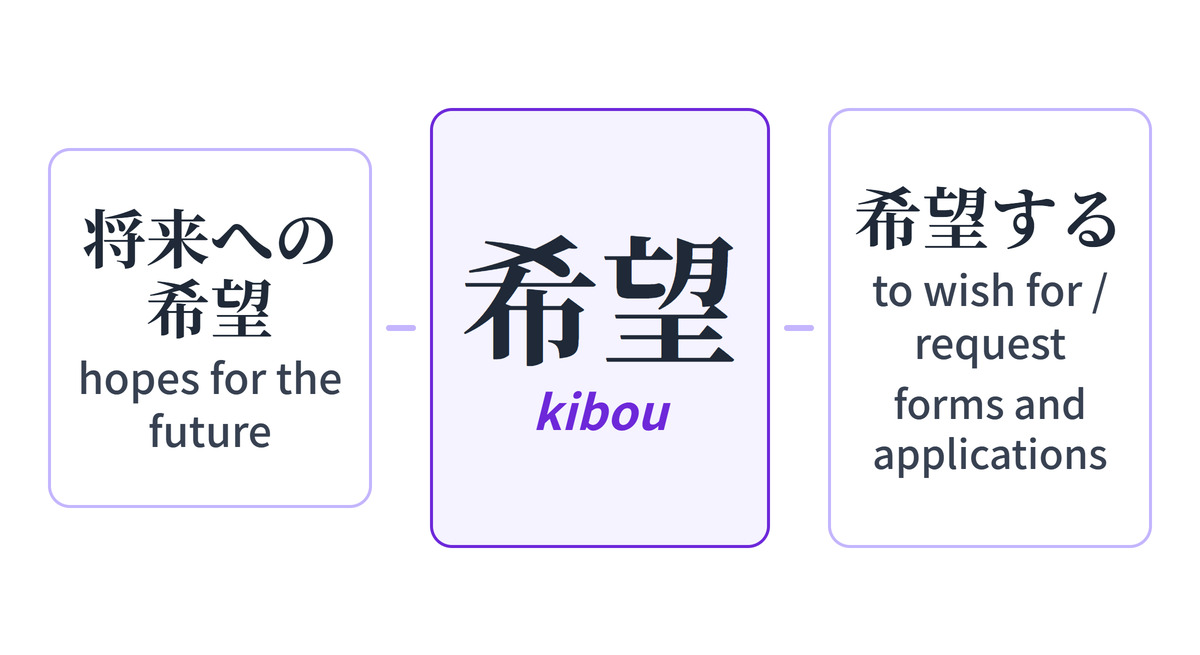
"Hope" Japanese Tattoo Options
Here is how the most direct option, 希望 (kibou), reads as a tattoo:
| Japanese | Romaji | Meaning | How it reads as a tattoo | Best for |
|---|---|---|---|---|
| 希望 | Kibou | Hope, wish, desire | Reads clearly as ‘hope / wish’. Because it is also an everyday ‘request / preference’ word, it can look plain rather than poetic. | Direct and clear expression of hope, understandable by Japanese speakers. |
Risk Summary for 希望 (kibou)
The main consideration with 希望 (kibou) is tone, not correctness. It is understandable and positive, but it reads as a plain, literal word. If that directness is what you want, it works; if you want something more symbolic, compare the options below.
Other Ways to Express Hope
If you prefer a word that suggests hope through an image or a specific wish, consider these:
- 未来 (Mirai): Meaning 'Future', which can symbolize a hopeful outlook.
- 光 (Hikari): Meaning 'Light', often associated with hope and guidance.
- 願い (Negai): Meaning ‘a wish’ or ‘a prayer for something,’ closer to hoping for one specific thing.
Always avoid using online machine translators for other 'hope' related phrases, as they often produce unnatural or incorrect Japanese. Stick to verified options.
Ready to check your Japanese tattoo idea for naturalness and cultural suitability? Use our Japanese Tattoo Checker for an automated, AI-assisted first check.
Frequently Asked Questions
Key Takeaway for Your "Hope" Tattoo
希望 (kibou) is the direct word for “hope” and is easy to understand, but it reads as a plain, everyday word. For a more symbolic design, compare 未来, 光, or 願い, or check your idea with our Japanese Tattoo Checker.
Related guides
This article is for educational guidance only. Before choosing a permanent tattoo, confirm the exact wording, nuance, and visual design with a trusted native Japanese speaker or professional tattoo artist.