
Why Japan

Why Japan publishes informational content about Japanese language and culture. Articles may be drafted with AI assistance, and most have not received individual human review before publication. We correct errors when we find them or when readers report them.

A friend sitting beside a tired runner on a park bench, resting a hand on her shoulder.

“Stay Strong” in Japanese: Warm Encouragement or a Command?

2026/10/16  

Why 負けない心 is warmer than a command. 負けない心 offers resilience without ordering a struggling person to become stronger.

Cute educational anime-style illustration expressing "Push your limits" in a clear everyday scene.

“Push Your Limits” in Japanese: Slogan, Command, or Yojijukugo?

2026/10/16  

Why 限界突破 reads like a slogan. 限界突破 reads like a compact slogan, while verb forms address the reader with more force.

A high jumper sitting on the landing mat with a raised fist, smiling up at the bar she has just cleared.

“Break Your Limits” in Japanese: Why 超越せよ Can Sound Severe

2026/10/16  

Why 超越せよ sounds commanding and abstract. 限界突破 is the familiar slogan; 超越せよ is a much more abstract and forceful command.

Cute educational anime-style illustration showing a person choosing brave action in a visible moment, expressing "Stay true" in a clear everyday scene.

“Stay True” in Japanese: 素直, 誠実, or Something Else?

2026/10/16  

Why 素直であれ is not a literal “stay true”. Choose among 素直, 誠実, 真摯, and 正直 only after deciding what kind of “true” you mean.

Cute educational anime-style illustration expressing "Keep moving forward" in a clear everyday scene.

“Keep Moving Forward” in Japanese: 前進し続ける and Nearby Choices

2026/10/16  

Why 前進し続ける describes continued action. 前進し続ける is clear sentence-style motivation rather than a traditional fixed maxim.

Cute educational anime-style illustration showing a person taking action at the threshold of a challenge, expressing "Rise above it" in a clear everyday scene.

“Rise Above It” in Japanese: 超越, 克服, and the Difference

2026/10/16  

Why 超越 can sound philosophical. Use 克服 for overcoming a defined problem; 超越 is broader, more abstract, and often philosophical.
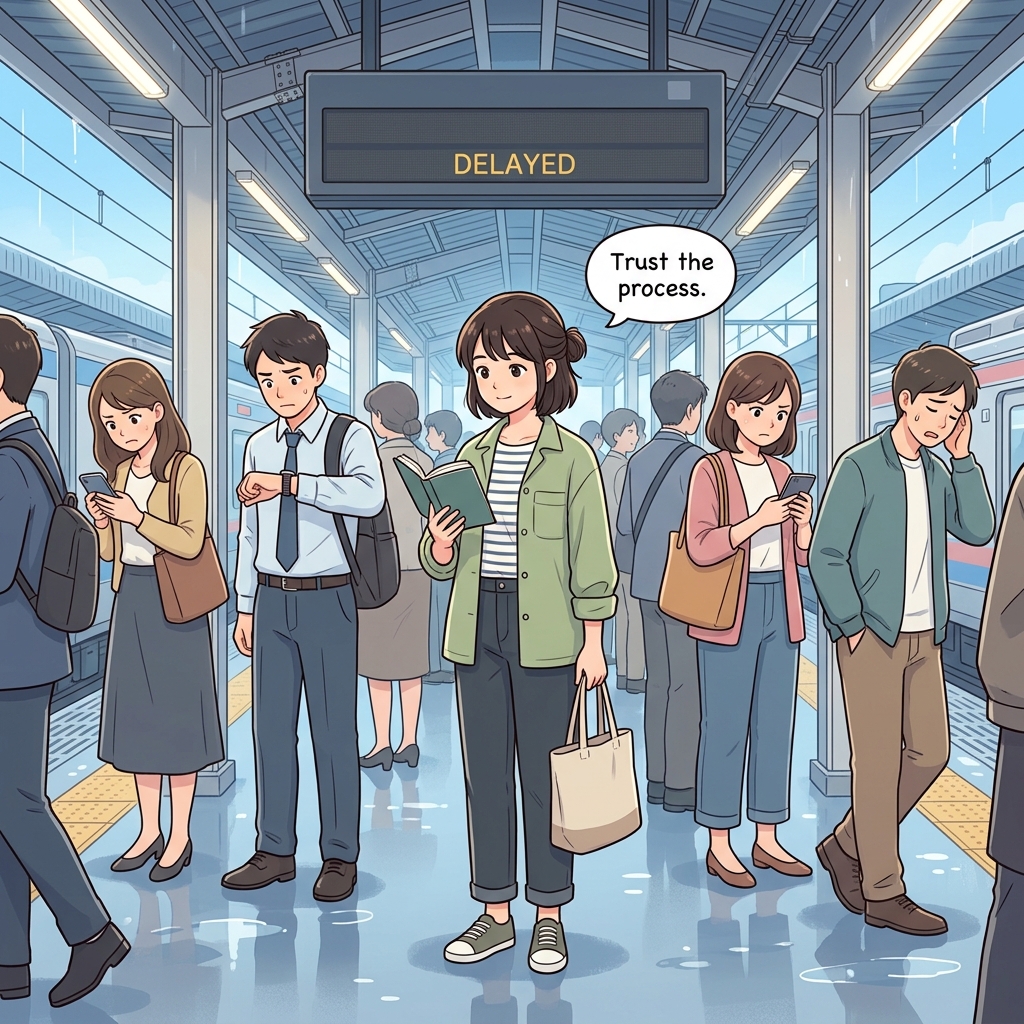
Cute educational anime-style illustration expressing "Trust the process" in a clear everyday scene.

“Trust the Process” in Japanese: Why 焦らず、着実に Works

2026/10/16  

Why 焦らず、着実に captures the advice. 焦らず、着実に advises steady progress; it does not literally claim faith in an abstract process.

Cute educational anime-style illustration showing a person taking action at the threshold of a challenge, expressing "Act with purpose" in a clear everyday scene.

“Act with Purpose” in Japanese: Is 目的意識 a Motto or a Mindset?

2026/10/16  

目的意識 names a mindset, not an instruction. 目的意識 names a mindset, so choose a verb phrase if the design must tell someone to act.
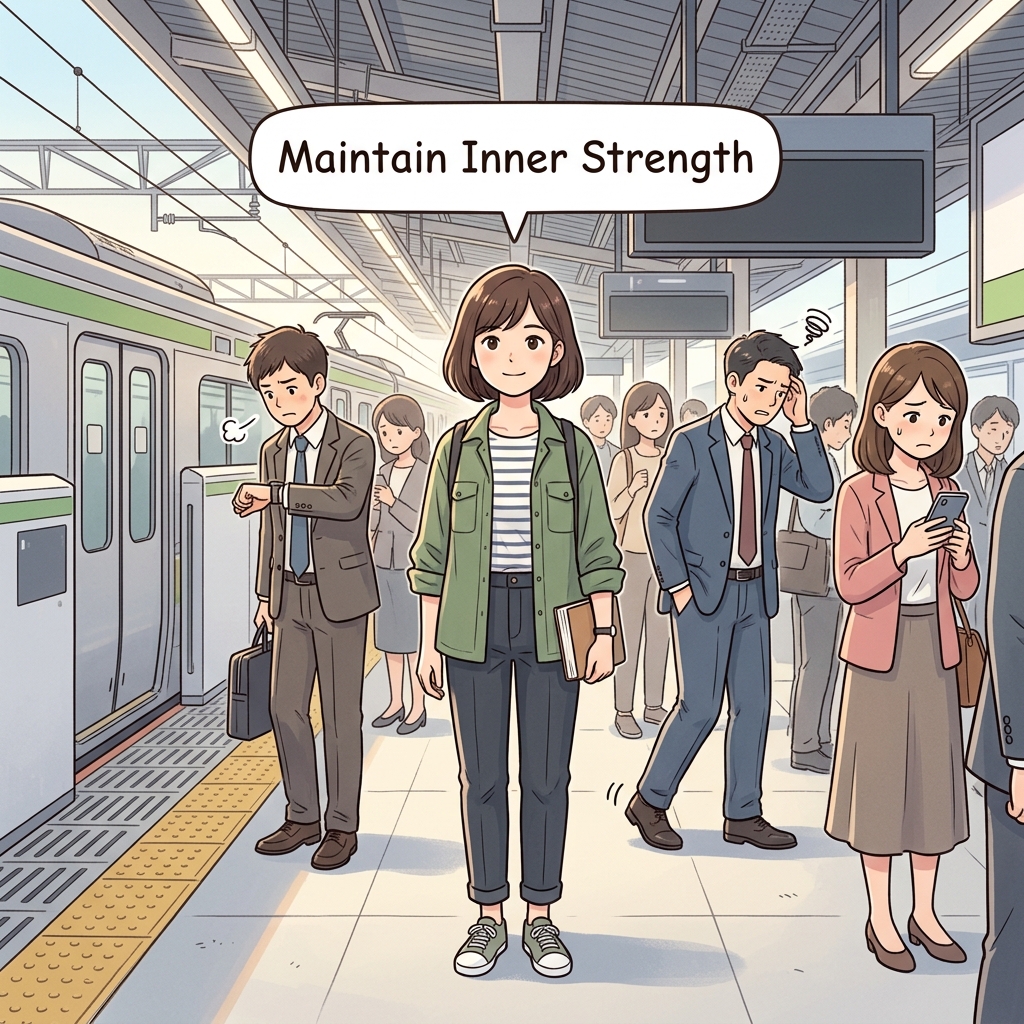
Cute educational anime-style illustration showing a person staying calm in an everyday delay, expressing "Maintain inner strength" in a clear everyday scene.

Inner Strength in Japanese: When 堅忍不抜 Fits

2026/10/16  

What 堅忍不抜 promises—and what it does not. 堅忍不抜 is formal and disciplined; everyday emotional support usually needs plainer Japanese.

Cute educational anime-style illustration expressing "Believe in yourself" in a clear everyday scene.

Believe in Yourself in Japanese: 自分を信じる and Its Alternatives

2026/10/16  

Why 自分を信じる is direct rather than slogan-like. Use 自分を信じる for direct self-belief, then compare shorter wording separately if the phrase is for a design.