
editormotto

Cute educational anime-style illustration expressing "Stay strong" in a clear everyday scene.

“Stay Strong” in Japanese: Warm Encouragement or a Command?

2026/8/16  

Why 負けない心 is warmer than a command. 負けない心 offers resilience without ordering a struggling person to become stronger.

Cute educational anime-style illustration expressing "Push your limits" in a clear everyday scene.

“Push Your Limits” in Japanese: Slogan, Command, or Yojijukugo?

2026/8/16  

Why 限界突破 reads like a slogan. 限界突破 reads like a compact slogan, while verb forms address the reader with more force.

Cute educational anime-style illustration showing a person choosing brave action in a visible moment, expressing "Break your limits" in a clear everyday scene.

“Break Your Limits” in Japanese: Why 超越せよ Can Sound Severe

2026/8/16  

Why 超越せよ sounds commanding and abstract. 限界突破 is the familiar slogan; 超越せよ is a much more abstract and forceful command.

Cute educational anime-style illustration showing a person choosing brave action in a visible moment, expressing "Stay true" in a clear everyday scene.

“Stay True” in Japanese: 素直, 誠実, or Something Else?

2026/8/16  

Why 素直であれ is not a literal “stay true”. Choose among 素直, 誠実, 真摯, and 正直 only after deciding what kind of “true” you mean.

Cute educational anime-style illustration expressing "Keep moving forward" in a clear everyday scene.

“Keep Moving Forward” in Japanese: 前進し続ける and Nearby Choices

2026/8/16  

Why 前進し続ける describes continued action. 前進し続ける is clear sentence-style motivation rather than a traditional fixed maxim.

Cute educational anime-style illustration showing a person taking action at the threshold of a challenge, expressing "Rise above it" in a clear everyday scene.

“Rise Above It” in Japanese: 超越, 克服, and the Difference

2026/8/16  

Why 超越 can sound philosophical. Use 克服 for overcoming a defined problem; 超越 is broader, more abstract, and often philosophical.
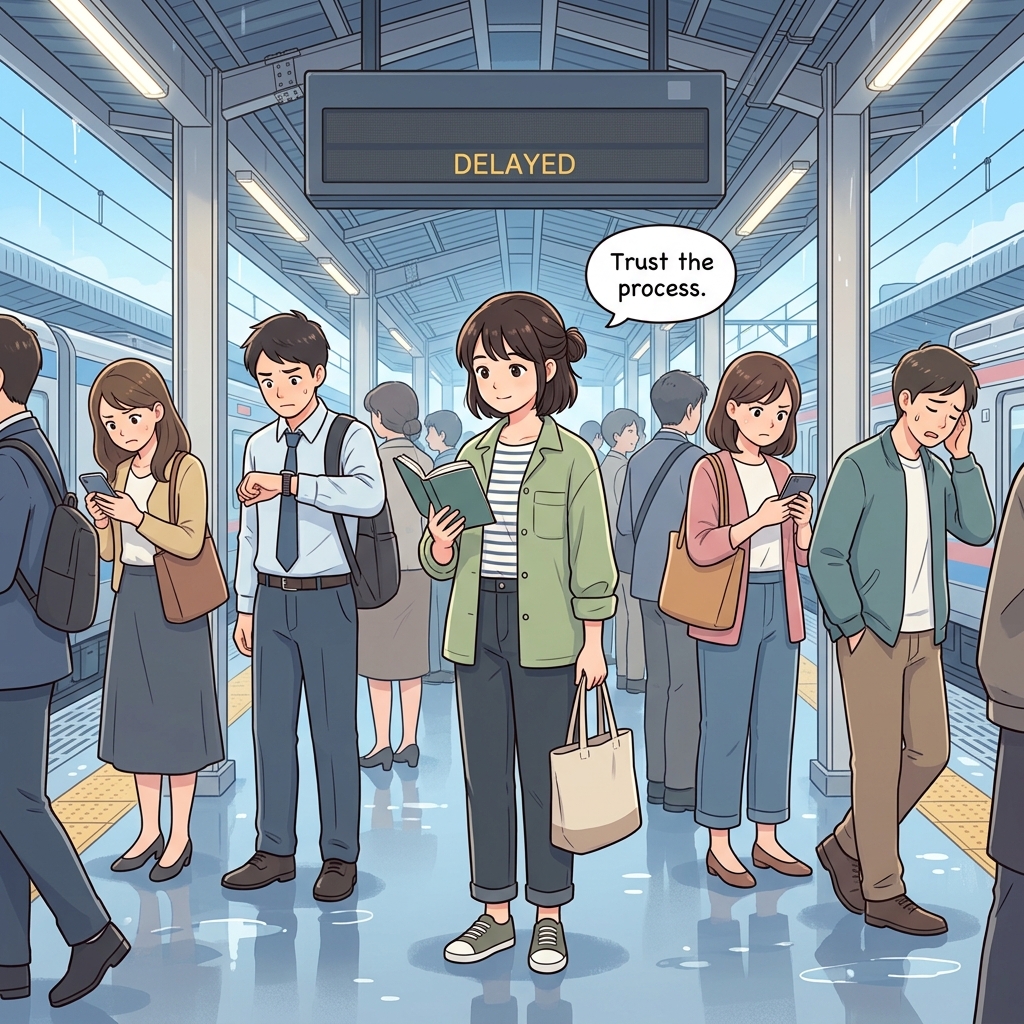
Cute educational anime-style illustration expressing "Trust the process" in a clear everyday scene.

“Trust the Process” in Japanese: Why 焦らず、着実に Works

2026/8/16  

Why 焦らず、着実に captures the advice. 焦らず、着実に advises steady progress; it does not literally claim faith in an abstract process.

Cute educational anime-style illustration showing a person taking action at the threshold of a challenge, expressing "Act with purpose" in a clear everyday scene.

“Act with Purpose” in Japanese: Is 目的意識 a Motto or a Mindset?

2026/8/16  

目的意識 names a mindset, not an instruction. 目的意識 names a mindset, so choose a verb phrase if the design must tell someone to act.
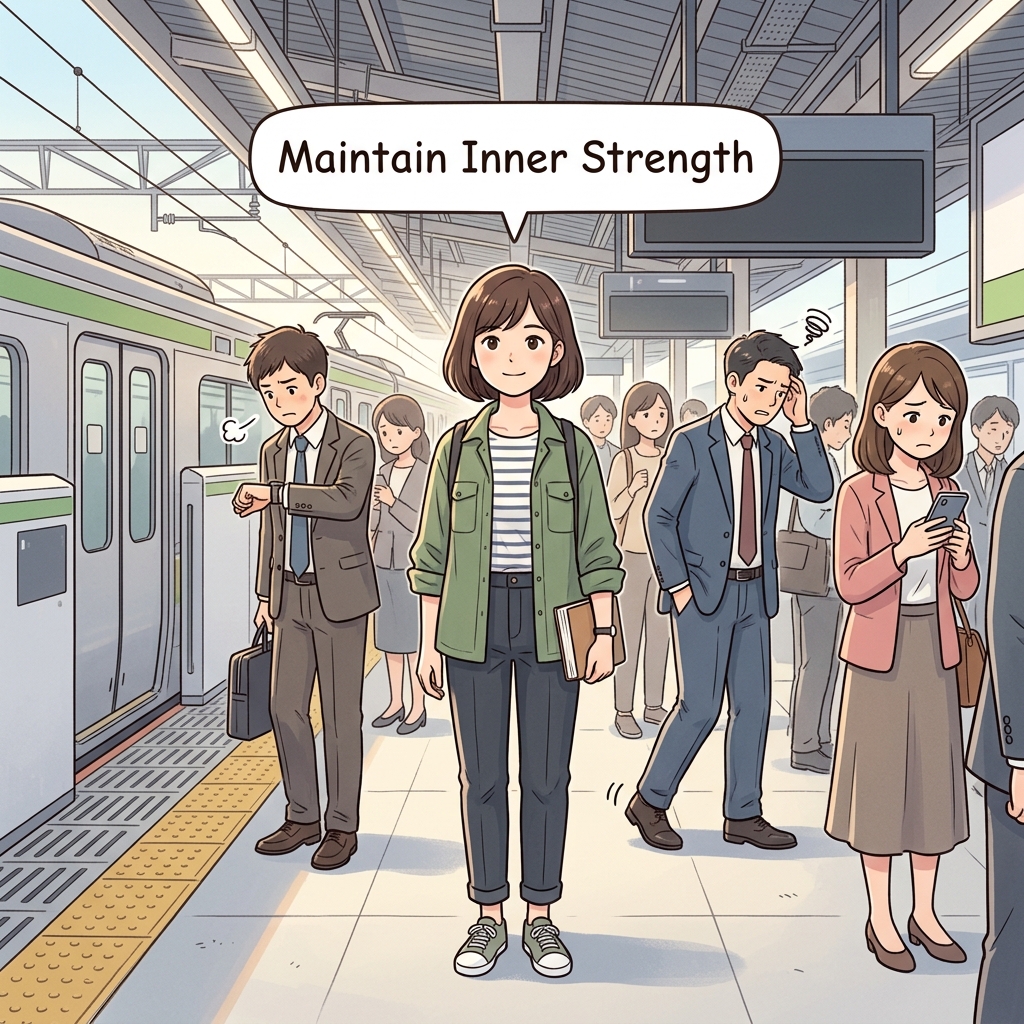
Cute educational anime-style illustration showing a person staying calm in an everyday delay, expressing "Maintain inner strength" in a clear everyday scene.

Inner Strength in Japanese: When 堅忍不抜 Fits

2026/8/16  

What 堅忍不抜 promises—and what it does not. 堅忍不抜 is formal and disciplined; everyday emotional support usually needs plainer Japanese.

Cute educational anime-style illustration expressing "Believe in yourself" in a clear everyday scene.

Believe in Yourself in Japanese: 自分を信じる and Its Alternatives

2026/8/16  

Why 自分を信じる is direct rather than slogan-like. Use 自分を信じる for direct self-belief, then compare shorter wording separately if the phrase is for a design.